


The Revolutionary Grief of Iranians
I didn’t know the war had started until I checked my phone and saw messages of concern from my friends and family abroad. Just like when the 12-day war started, I thought they must have been wrong. Everything seemed fine. But of course, we all knew this was coming one way or another. My husband’s brother called him from their hometown, far from Tehran, to check on us. I opened Instagram and confirmed the news, joked with my friend via DM that I always sleep through the start of a war, and then the internet was disconnected. My husband left for work, and I considered what I should cook for that evening’s Iftar. But then the sound of explosions and enemy missiles clashing with the air defence systems began, and I went out to the terrace to watch the sky, like many of my neighbours.
A few days into this war, when I was finally able to call my mother in my home country, she asked me, “Is it complete bedlam there?” She doesn’t know that Iranians go up to the roofs of their buildings to watch the missiles. Most people in the West don’t know that Iranians do not run from explosions, but stand firm and shout “Allahu Akbar”. God is greater than any bomb the enemy drops. I honestly believe that if there were an attack like this in a Western city, people would become irrational with panic and fear, like when Covid started, or when a bad storm is forecast. People rush to supermarkets and stock up on anything they can think of, whether or not they actually need it, as if the shops will never open again.
Meanwhile, in Iran, bakeries stay open for as long as necessary so that everybody has all the bread they need. Of course, it is normal to be scared. War is terrifying, and we are only human, but in Iran, life goes on.
Naturally, the Shia faith and the revolutionary history of Iran have much to do with the strength and resilience we see in these people when they face any kind of hardship or catastrophe. Generally, people in the West tend not to be religious, and life and its trials can be much scarier when they do not seem to have any purpose or meaning.
During the first night of the 12-day war, I remember people were outside masjids and husseiniyas celebrating Eid Ghadeer, nonchalantly shrugging and even laughing as missiles soared through the sky, turning back to their tea and conversations. I saw a car decorated for a wedding, the bride waving her bouquet out of the window while other car horns blared and the red lights of intercepted missiles looked like fireworks for their celebration.
So although I am not Iranian, I wasn’t scared at first. Not when I lost connection to the “outside world”. Not when I saw missiles breaking through the air defence and flying across the rooftops of my neighbourhood. Not when there were explosions close enough to make my windows rattle.
I wasn’t scared until his martyrdom was announced. Our beloved Rahbar.
The night before the news was made official, some Pahlavi supporters took to the streets to celebrate, albeit in pathetically small numbers, but one is one too many. It seemed they had heard the news from Iran International. I chose to believe they were misinformed or simply trying to incite further unrest, like the riots in January. I also tend to take anything enemy media says with a pinch of salt. Of course, Iran International and other low-level outlets have their informants in the country, but I wanted to remain optimistic. Perhaps I was just in denial.
The morning it was announced, we were finishing suhoor and waiting for the adhan, watching Mahi Man as usual. I remember thinking Najm al Din Shariati looked slightly subdued throughout the programme, but I put it down to general war anxiety. Then he said, “Inna lillahi…” Time stopped. My knees went weak, and my heart sank. I knew what was coming before he finished the sentence.
That was when the fear finally hit.
I felt like we were alone. Abandoned. I understood what some people in Lebanon meant when they said they had been orphaned after Sayyed Hassan Nasrallah was martyred. Maybe it sounds blasphemous or overly dramatic, but it felt as though that unseen protective force over Iran was gone. I know that is not true. God is still with us. But the loss was so immense, and still is so immense, that it was truly terrifying.
The first day or so after the announcement, we slept so much, only waking to pray or break our fast. I would cry every time I saw his picture or heard his voice on television. There is one clip that, even before his martyrdom, would always make me cry. He was cleaning Imam Ridha’s shrine. He wasn’t wearing his turban. I always thought his hair looked so gentle. Sometimes it was easy to forget he was a normal person like the rest of us. But he was also a giant. He was love and faith embodied, and the most powerful person of our time. In that video, with his white hair uncovered, he seemed almost vulnerable. A reminder that he was human. I thought he would live forever.
I grieved like I had lost someone from my own family. I would wake from every depression nap, momentarily forgetting the reality, then being struck by the memory and wishing I could sleep away the hours again. After learning he was gone, something changed in the air. Every explosion, every missile, every attack I heard from then on felt closer, more intense, more dangerous.
But Iranians continued to do what they do. Work, shop, drink tea, live. And mourn.
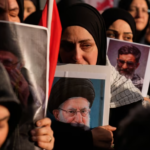
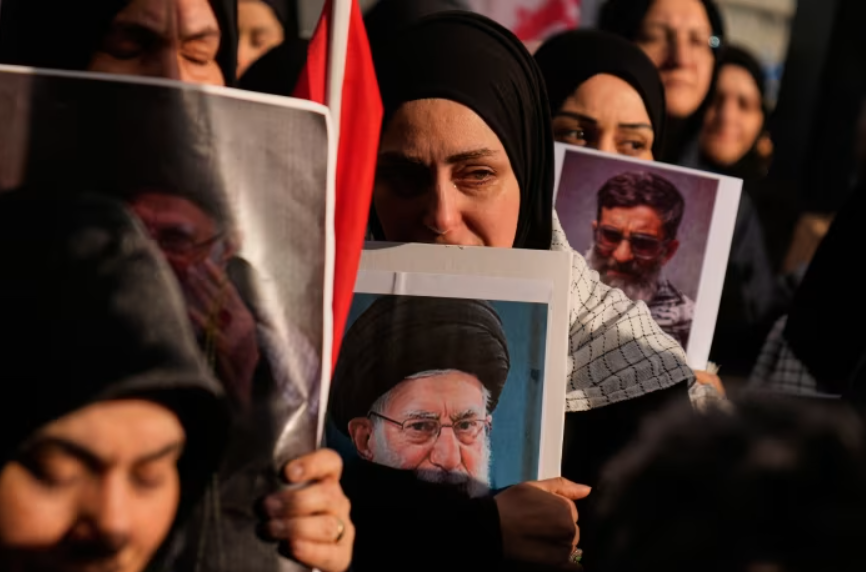
The forty days of national mourning had begun, and people across the country went out with their flags and photos of their dear Rahbar to share their pain and anger, and more importantly, to show their defiance.
On the fourth day, my husband asked me if I wanted to go to Meydan Enghelab to join one of the rallies. At first, I refused. It felt too risky. It was the perfect opportunity for the enemy. A large group of civilians gathered in one area is one of their favourite ways to attack. I felt guilty and ashamed.
I became Shia for many reasons. I believe it is the true path, not just logically, but because I was also moved and inspired viscerally by the accounts of Ghadeer Khum, Karbala, and the sermons of the surviving members of the Ahl al Bayt. I chose the name Zeinab, and I chose to stay in Iran even though I could easily leave. And yet I was too scared to go to a rally to mourn my leader.
But then that clip played again on the news, and my fear subsided. I had to go.
As soon as we arrived, and I chanted my first “Allahu Akbar”, I felt something shift inside me. Somehow, the pain became bearable. Because it wasn’t just my pain. It was all of ours.
We listened to a few speeches and then moved down Enghelab Street to find some tea. The long road was lined with tents offering tea, dates, and soup. There were smaller rallies everywhere, vans with speakers blasting nohas, scholars giving talks. We were going to walk to the next metro station and head home, but we came upon another smaller gathering on Vali Asr that appeared to have been started by a mullah and his family, with others joining as they passed.
The mullah stood inches away from passing cars, energetically waving the Iranian flag. Another man weaved skilfully through the traffic with an “Inna ala al-had” flag as if he were invincible. A young boy, maybe twelve years old, with a microphone, was leading chants of “Hayhat minna al-dhilla” and “Marg bar Amrika”. A group of chadori women echoed his chants through their tears.
Every car that drove past was covered with Iranian flags, photos of Rahbar taped to the windows, and passengers giving the victory sign. A troop of young soldiers, either going to or returning from leave, crossed the intersection to cheers and applause from the crowd. A motorcycle cavalcade of Basijis with Kalashnikovs rumbled past, shouting words of encouragement and approval, as if what we were doing mattered just as much as what they had volunteered to do. Maybe it does, in its own way.
Every one of these moments made my heart swell so intensely that I became overwhelmed. I had to hide behind the portrait of Rahbar I had taken from my living room wall and cry until I ran out of tears.
At the height of my crying, I felt as though I drifted out of my body. I was somehow removed from the gathering, yet still present within it. And suddenly, I could hear her so clearly in my mind. My chosen namesake. Sayyeda Zeinab.
“I saw nothing but beauty. Do you understand now?”
These people. This country. Is there anything more resilient? Is there anything more powerful?
The sanctions. The wars. The assassinations. The regime change attempts. The vile propaganda. The immense losses.
Yes, there is pain, struggle, and hardship. And of course, there is grief. But it is a revolutionary grief. Because these beautiful, strong, Enghelabi people carry the flag of Imam Husayn and are actively waiting for the Imam of our time.
This revolutionary grief is a fire that cannot be extinguished. Which means that, God willing, the Islamic Republic of Iran can never be destroyed; something the enemy cannot, and will never, understand.
اندوه انقلابی ایرانیان
من نمیدانستم که جنگ شروع شده است تا زمانی که تلفنم را چک کردم و پیامهایی از دوستان و خانوادهام در خارج از کشور دیدم که نگرانم بودند. درست مثل زمانی که جنگ ۱۲ روزه شروع شده بود، فکر کردم آنها اشتباه میکنند. همه چیز خوب به نظر میرسید. اما البته همه ما میدانستیم که این اتفاق به هر شکلی رخ خواهد داد. برادر شوهرم از شهرستانی دور از تهران با ما تماس گرفت تا حالمان را بپرسد. اینستاگرام را باز کردم و خبر را تأیید کردم، با دوستم شوخی کردم که همیشه شروع جنگ را در خواب میگذرانم، و بعد اینترنت قطع شد. همسرم برای کار از خانه بیرون رفت و من به این فکر میکردم که برای افطار آن شب چه غذایی بپزم. اما صدای انفجار و برخورد موشکهای دشمن با سامانههای پدافند هوایی شروع شد و من به تراس رفتم تا مثل بسیاری از همسایگان، آسمان را تماشا کنم ۔
چند روز بعد از شروع جنگ، بالاخره توانستم با مادرم که در خارج از کشور بود تماس بگیرم. او از من پرسید: «آیا آنجا آشوب و بلوا شده؟» او نمیداند که ایرانیها به پشتبام خانهها میروند تا موشکها را تماشا کنند. اغلب مردم در غرب نمیدانند که ایرانیها از انفجارها فرار نمیکنند، بلکه محکم میایستند و فریاد میزنند «اللهاکبر». خدا بزرگتر از هر بمبی است که دشمن پرتاب میکند. من صادقانه معتقدم اگر چنین حملهای در یک شهر غربی اتفاق بیفتد، مردم از ترس و وحشت غیرمنطقی دچار آشفتگی میشوند؛ مثل اتفاقی که در دوران کرونا افتاد یا زمانی که پیشبینی یک طوفان شدید مطرح میشود. مردم به سمت سوپرمارکتها هجوم میبرند و هر چیزی را که به ذهنشان برسد میخرند، چه واقعاً به آن نیاز داشته باشند و چه نه، انگار که قرار است مغازهها دیگر هرگز باز نشوند. در عین حال، در ایران نانواییها تا زمانی که لازم باشد باز میمانند تا همه بتوانند نان مورد نیازشان را تهیه کنند. البته ترسیدن طبیعی است. جنگ وحشتناک است و ما فقط انسان هستیم، اما در ایران زندگی ادامه دارد ۔
به طور طبیعی، ایمان شیعه و تاریخ انقلابی ایران ارتباط زیادی با قدرت و تابآوریای دارد که در این مردم، در مواجهه با هرگونه دشواری یا فاجعه، میبینیم. به طور کلی، مردم در غرب تمایل کمتری به مذهبی بودن دارند و زندگی و آزمونهای آن، زمانی که به نظر نمیرسد هدف یا معنایی داشته باشند، بسیار ترسناکتر میشود ۔
در طول شب اول جنگ ۱۲ روزه، به یاد دارم که مردم بیرون از مساجد و حسینیهها بودند و عید غدیر را جشن میگرفتند، با خونسردی رفتار میکردند و وقتی موشکها در آسمان اوج میگرفتند، دوباره به نوشیدن چای و گفتوگوهای خود برمیگشتند. من خودرویی را دیدم که برای عروسی تزئین شده بود؛ عروس دستهگلش را از پنجره بیرون آورده بود و آن را تکان میداد، و خودروهای دیگر با صدای بوق با او همراهی میکردند. نور قرمز موشکهای منهدمشده در آسمان هم برای مهمانی آنها شبیه آتشبازی بود ۔
اگرچه من ایرانی نیستم، اما در ابتدا هیچ ترسی نداشتم. نه زمانی که ارتباطم با «دنیای خارج از ایران» قطع شد، نه وقتی که دیدم موشکها از بالای پشتبامهای محله عبور میکنند، و نه وقتی که انفجارها آنقدر نزدیک بودند که پنجرههایم به لرزه میافتادند. من تا قبل از اعلام شهادت حضرت نترسیده بودم؛ این خبر شهادت او بود که ترس را در دلم انداخت. رهبر محبوب ما ۔
شب قبل از اینکه این خبر رسمی شود، برخی از طرفداران پهلوی برای جشن گرفتن به خیابانها آمدند، اگرچه تعدادشان بسیار کم بود. به طرز رقتانگیزی کم بودند، اما حتی یک حامی پهلوی هم زیادی است. به نظر میرسید که آنها خبر را از ایران اینترنشنال شنیده بودند. تصمیم گرفته بودم تصور کنم که آنها اطلاعات نادرستی دریافت کردهاند یا صرفاً تلاش میکنند مانند آشوبهای ژانویه، ناآرامی بیشتری ایجاد کنند. همچنین ترجیح میدادم هر چیزی را که رسانههای دشمن میگویند بهراحتی نپذیرم. البته ایران اینترنشنال و دیگر رسانههای سطح پایین در داخل کشور خبرچینهایی دارند، اما میخواستم خوشبین بمانم. شاید فقط در حال انکار کردن بودم ۔
سحری را تمام کرده بودیم و منتظر اذان بودیم. مثل همیشه به برنامه «ماه من» از شبکه سه نگاه میکردیم. به یاد میآورم که نجمالدین شریعتی در طول برنامه کمی ساکت به نظر میرسید، اما آن را به اضطراب عمومی جنگ ربط دادم. سپس گفت: «إِنّا لِلّهِ…» زمان متوقف شد. زانوهایم سست شدند و قلبم فرو ریخت. تمام آن کلیشههایی که هنگام شنیدن خبرهای تلخ به ذهن میآیند، در همان لحظه به سراغم آمدند. قبل از اینکه جملهاش را کامل کند، میدانستم چه اتفاقی افتاده است. آن لحظهای بود که ترس بالاخره به سراغم آمد. احساس میکردم تنها و رها شدهام. آنجا بود که فهمیدم وقتی برخی از مردم لبنان میگفتند پس از شهادت سید حسن نصرالله احساس یتیمی کردهاند، دقیقاً چه منظوری داشتند ۔
شاید این حرف کفرآمیز یا بیش از حد دراماتیک به نظر برسد، اما احساس میکردم که آن نیروی محافظ نامرئی که بر ایران سایه داشت، اکنون از بین رفته است. میدانم که این درست نیست؛ خدا هنوز با ماست. اما از دست دادن او بسیار عظیم بود، و هنوز هم بسیار عظیم است. واقعاً وحشتناک بود ۔
در روزهای اول بعد از اعلام این خبر، خیلی میخوابیدیم و فقط برای نماز یا افطار بیدار میشدیم. هر بار که عکسش را میدیدم یا صدایش را از تلویزیون میشنیدم، گریه میکردم. حتی قبل از شهادتش هم با دیدن ویدیویی از او همیشه اشک میریختم؛ ویدیویی که در آن مشغول تمیز کردن حرم امام رضا بود. عمامهاش را بر سر نداشت و من همیشه فکر میکردم موهایش چقدر لطیف است. گاهی آنقدر ساده به نظر میرسید که فراموش میکردم او هم انسانی مانند ماست. اما در عین حال، او فراتر از یک انسان بود؛ تجسم عشق و ایمان، و قدرتمندترین فرد زمان ما. در آن فیلم، با موهای سفیدش، حالتی از آسیبپذیری در چهرهاش دیده میشد؛ یادآوری اینکه او نیز انسان است. و من همیشه فکر میکردم او برای همیشه زنده خواهد ماند ۔
احساس میکردم مانند این است که یکی از اعضای خانوادهام را از دست دادهام. از شدت ناراحتی، خودم را به خواب و چرتهای سنگین میزدم؛ بیدار میشدم و برای لحظهای واقعیت را فراموش میکردم، اما بعد از بیدار شدن، شوکی دوباره به ذهنم وارد میشد و آرزو میکردم ای کاش میتوانستم دوباره ساعتها بخوابم تا از این واقعیت فرار کنم. بعد از اینکه فهمیدم او از میان ما رفته است، چیزی در فضا تغییر کرد. هر انفجار، هر موشک، هر حملهای که از آن زمان میشنیدم، برایم نزدیکتر، شدیدتر و خطرناکتر به نظر میرسید. اما ایرانیها همچنان به زندگی خود ادامه میدادند؛ کار میکردند، خرید میکردند، چای مینوشیدند، زندگی میکردند و سوگواری میکردند. روزهای عزاداری ملی آغاز شده بود و مردم در سراسر کشور با پرچمها و تصاویر رهبر گرامی خود به خیابانها آمدند تا درد و خشمشان را به اشتراک بگذارند و مهمتر از همه، خشم انقلابی خود را نشان دهند ۔
روز چهارم، همسرم از من پرسید که آیا میخواهم به میدان انقلاب در مرکز شهر برویم و به یکی از تجمعات بپیوندیم. در ابتدا امتناع کردم؛ احساس خطر زیادی داشتم. این بهترین فرصت برای دشمن بود؛ جمع شدن یک گروه بزرگ از غیرنظامیان در یک نقطه، یکی از روشهای مورد علاقه آنها برای حمله است. احساس شرم و گناه میکردم. من به دلایل زیادی شیعه شدم. معتقدم این مسیر درست است، نهتنها از نظر منطقی، بلکه از نظر احساسی نیز عمیقاً تحت تأثیر واقعه غدیر خم، کربلا و خطبههای بازماندگان اهلبیت (ع) قرار گرفتم. من تصمیم گرفتم نام زینب را انتخاب کنم و تصمیم گرفتم در ایران بمانم، حتی با اینکه بهراحتی میتوانستم آنجا را ترک کنم. و با این حال، آنقدر ترسیده بودم که برای عزاداری رهبرم به تجمع نروم. اما وقتی آن کلیپ را دوباره در اخبار دیدم، ترسم فروکش کرد. باید میرفتم ۔
به محض اینکه رسیدیم و اولین شعار «اللهاکبر» را سر دادم، احساس کردم چیزی در درونم تغییر کرد. انگار درد قابلتحمل شده بود، چون فقط درد من نبود، دردِ ما بود. به چند سخنرانی گوش دادیم و بعد به خیابان انقلاب رفتیم تا چای بنوشیم. خیابان طولانی با چادرهایی پوشیده شده بود که چای، خرما و سوپ تعارف میکردند. در همهجا تجمعهای کوچکتری شکل گرفته بود؛ ونها با بلندگو نوحه پخش میکردند و سخنرانان در حال صحبت بودند. ما قصد داشتیم تا ایستگاه بعدی مترو پیادهروی کنیم و به خانه برویم، اما به تجمع کوچکتری در خیابان ولیعصر رسیدیم که ظاهراً توسط یک روحانی و خانوادهاش آغاز شده بود و دیگران هم در حال عبور به آنها ملحق میشدند ۔
آن روحانی در نزدیکی خودروهای عبوری ایستاده بود و پرچم ایران را با انرژی تکان میداد. مرد دیگری با مهارت در میان ترافیک حرکت میکرد و پرچم «إِنّا عَلَى العَهْد» را در دست داشت، گویی شکستناپذیر است. یک پسر نوجوان با میکروفون، شعارهای «هیهات منا الذله» و «مرگ بر آمریکا» را هدایت میکرد و گروهی از زنان چادری، در میان اشکهایشان، این شعارها را تکرار میکردند. خودروها با پرچمهای ایران از کنار ما عبور میکردند، عکسهای رهبر به شیشهها چسبانده شده بود و سرنشینان با نشان دادن علامت پیروزی پاسخ میدادند. گروهی از سربازان جوان که احتمالاً در مسیر مرخصی بودند، از تقاطع عبور کردند و با مردم همراه شدند و شعار دادند. بسیجیها سوار بر موتورسیکلت، با کلاشینکف، از کنارمان عبور میکردند و با شعارها و تأییدهایشان ما را همراهی میکردند، گویی آنچه ما انجام میدادیم به اندازه مأموریتی که آنها داوطلبانه بر عهده گرفته بودند اهمیت دارد، یا شاید به نوعی همسنگ آن است ۔
هر یک از این لحظات قلبم را چنان فشرده میکرد که دیگر تاب نداشتم. مجبور شدم پشت تصویر رهبر که از دیوار اتاق نشیمن آورده بودم پنهان شوم و گریه کنم تا جایی که اشکهایم تمام شود. در اوج گریه، احساس کردم از بدنم جدا شدهام؛ انگار از جمع فاصله گرفتهام، اما همزمان هنوز در میان آنها حضور دارم. و ناگهان، صدای او را بهوضوح در ذهنم شنیدم؛ سیده زینب میگفت که چیزی جز زیبایی ندیده است و از من پرسید آیا حالا متوجه شدهام ۔
این مردم. این کشور. آیا چیزی فراتر از این وجود دارد؟ آیا چیزی قدرتمندتر از این هست؟ تحریمها، جنگها، ترورها، تلاشها برای تغییر رژیم، تبلیغات پست، و تلفات عظیم. بله، درد هست، تقلا هست، سختی هست، و البته غم و اندوه هم هست. اما این یک اندوه انقلابی است. زیرا این مردمِ زیبا و قوی، پرچم امام حسین را بر دوش دارند و در انتظار امام زمان هستند. این اندوه انقلابی آتشی است که خاموش نمیشود. و این یعنی جمهوری اسلامی ایران هرگز نابود نخواهد شد؛ چیزی که دشمن نمیتواند و هرگز نخواهد فهمید ۔
No Comment! Be the first one.