



The Bloc That Was Born Afraid: How the GCC Was Built to Contain Iran and Preserve Empire
Whenever Iranian missiles cross the skies of the monarchies of the Gulf*, the same feigned bewilderment surfaces in policy circles and television studios. Why are the Gulf states implicated? Why do airports in the Emirates enter emergency posture? Why are American air bases in Qatar and Bahrain treated as legitimate targets in Tehran’s retaliatory calculus? Why does the southern shore of the Gulf appear woven into every escalation between Iran and the U.S., or Iran and Israel?
These questions are usually asked as if the Gulf were an innocent bystander. As if it is a neutral commercial corridor unfortunate enough to sit between rival powers. That narrative is convenient. It is also false.
The Gulf is not being “dragged” into confrontation. It has been structurally embedded within it for more than four decades.
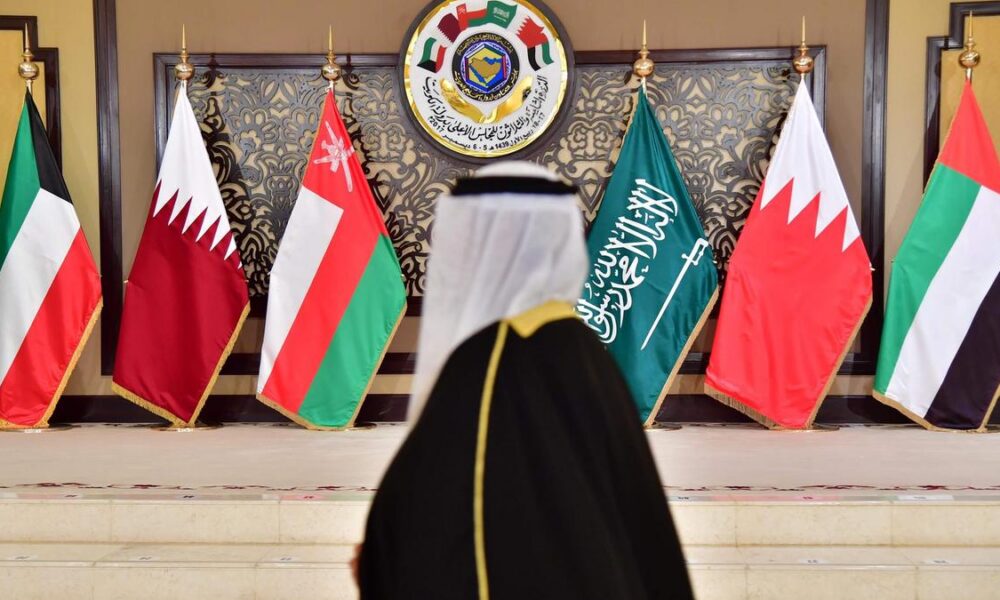
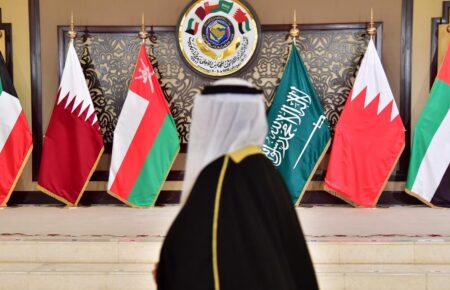
The involvement of the Gulf was not decided by a single missile launch or a sudden policy shift. It was codified in 1981, when six monarchies formalised what would become the Gulf Cooperation Council (GCC) – a bloc often described in sterile diplomatic language as a vehicle for cooperation and integration, but conceived in reality as a counter-revolutionary alignment designed to contain the Islamic Republic of Iran and anchor the Arabian Peninsula firmly within Western security architecture.
The timing was not accidental. Two years earlier, the Iranian Revolution had dismantled one of Washington’s most reliable regional pillars and replaced it with a state openly hostile to American military dominance and Zionist expansionism in the region. For the monarchies of the Gulf, this was not merely a neighbouring regime change; it was a direct challenge to a political order underwritten by Western power and sustained through external military protection.
The Gulf rulers did not respond by recalibrating their independence. They responded by consolidating dependence.
The GCC was not born as an economic club seeking prosperity through trade. It was born in strategic panic – an institutional shield erected to insulate monarchical rule from revolutionary currents and to ensure that the Arabian Peninsula would remain firmly aligned with the U.S.’ regional design and, increasingly over time, intertwined with the broader security perimeter protecting Israel’s strategic supremacy.
To understand why the Gulf now sits within range whenever Iran retaliates against Western or Zionist aggression, one must return to 1979 – not as a symbolic turning point, but as the moment when the Gulf’s ruling establishments chose alignment over autonomy and containment over coexistence.
What we are witnessing today is not accidental escalation, but a long shadow of that choice.
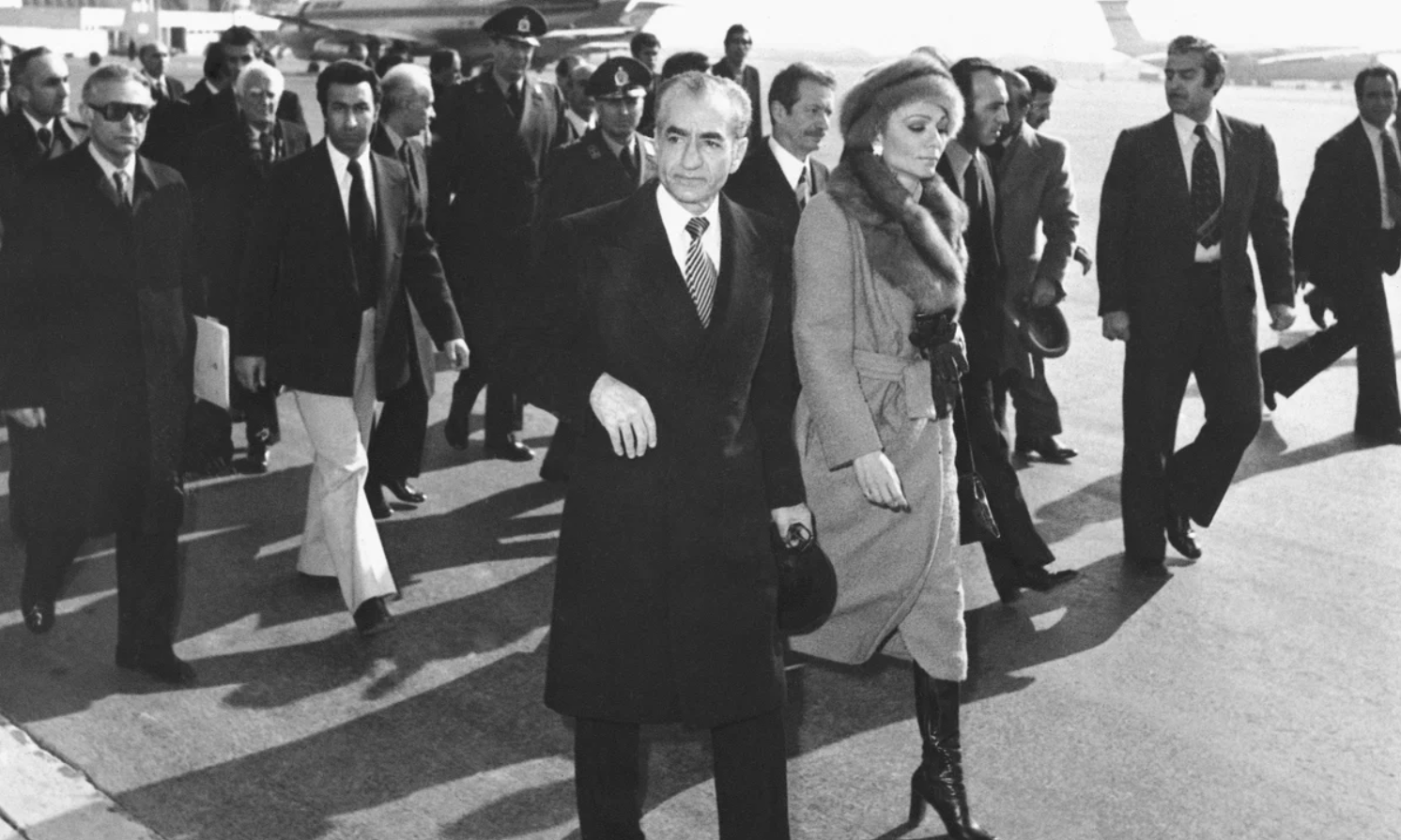
1979, When The Arab Monarchies Realised They Were Vulnerable
In 1979, the Shah fell, and with him fell one of the central pillars of the American-designed order in West Asia.
For decades, Mohammad Reza Pahlavi had functioned as more than a monarch. He was a strategic guarantor. Under what became known as the Nixon Doctrine, Iran was elevated as a regional gendarme, armed heavily by Washington and tasked with safeguarding Western energy interests and containing Soviet influence. Iran, under the Shah, was not merely aligned with the United States; it was embedded in the architecture of American hegemony. Its military procurement, intelligence cooperation, and security posture were tightly interwoven with Washington’s broader design for the Persian Gulf.
This arrangement provided reassurance to the southern monarchies. Iran, though larger and historically dominant, was predictable. It was secular in governance, monarchical in structure, and deeply invested in maintaining a regional status quo that preserved Western access to oil and upheld conservative regimes. It did not question the legitimacy of hereditary rule across the water, nor did it threaten to export an ideological challenge to Gulf political systems. On the contrary, it reinforced them indirectly by anchoring the northern shore of the Gulf firmly within the same Western orbit.
The Islamic Revolution shattered that equilibrium.
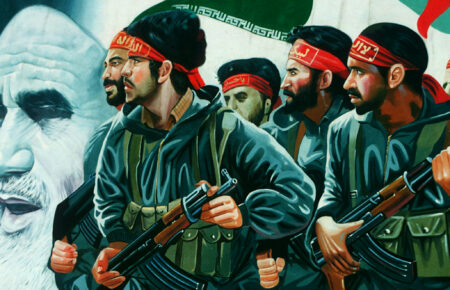
When Ayatollah Khomeini returned to Tehran and the monarchy collapsed, the transformation was not simply internal. It was civilisational in tone and geopolitical in consequence. A regime that had been structurally integrated into American power was replaced by one that defined itself in opposition to American military presence, Zionist expansionism, and Western political dominance in the region. The revolution articulated a language that was theological, anti-imperial, and unapologetically confrontational toward monarchism as a political form.
For the rulers of Saudi Arabia, Kuwait, Bahrain, Qatar, the United Arab Emirates, and Oman, this was not a distant ideological shift. It was a direct disturbance of the regional hierarchy that had protected them. The revolution did not need to deploy troops across the Gulf to generate anxiety. Its mere existence altered the psychological landscape of power.
Whether Gulf rulers objectively faced imminent subversion is secondary. What matters is that they interpreted the revolution as an existential signal. It demonstrated that a heavily armed, Western-backed monarchy could collapse under popular mobilisation framed in Islamic and anti-imperial language. It suggested that political legitimacy could be contested not merely through tribal or nationalist frameworks, but through a transnational religious narrative that rejected both Western tutelage and hereditary rule.
Compounding this rupture was the eruption of the Iran-Iraq War in 1980, which militarised the Gulf waters and intensified fears of regional spillover. Oil tankers became targets, shipping lanes were threatened, and superpower naval presence expanded under the justification of protecting energy flows. The Gulf was no longer a peripheral theatre; it was a frontline in a widening confrontation.
It was within this atmosphere – revolutionary upheaval to the north, full-scale war across the Shatt al-Arab, and escalating American and Soviet militarisation of Gulf waters – that the southern monarchies moved toward formal consolidation. When the Gulf Cooperation Council was announced in Abu Dhabi in May 1981, its founding communiqué spoke of coordination, cooperation, and integration. The language was measured, almost antiseptic.
But institutions are shaped by context, and context does not lie.
The GCC was born in the immediate aftermath of a revolution that dismantled Washington’s most reliable regional proxy and replaced it with a state committed to resisting American and Zionist dominance. It was formed as the Iran-Iraq War raged and as Western fleets increased their presence in Gulf waters under the banner of stability.
The six monarchies did not suddenly discover cultural affinity in 1981. They had shared lineage and tribal ties long before. What they discovered was shared vulnerability. They recognised that survival in a post-1979 environment required collective insulation, tighter coordination, and deeper alignment with external military power.
Fear, not fraternity, was the catalyst. And that fear would shape the strategic DNA of the GCC for decades to come.
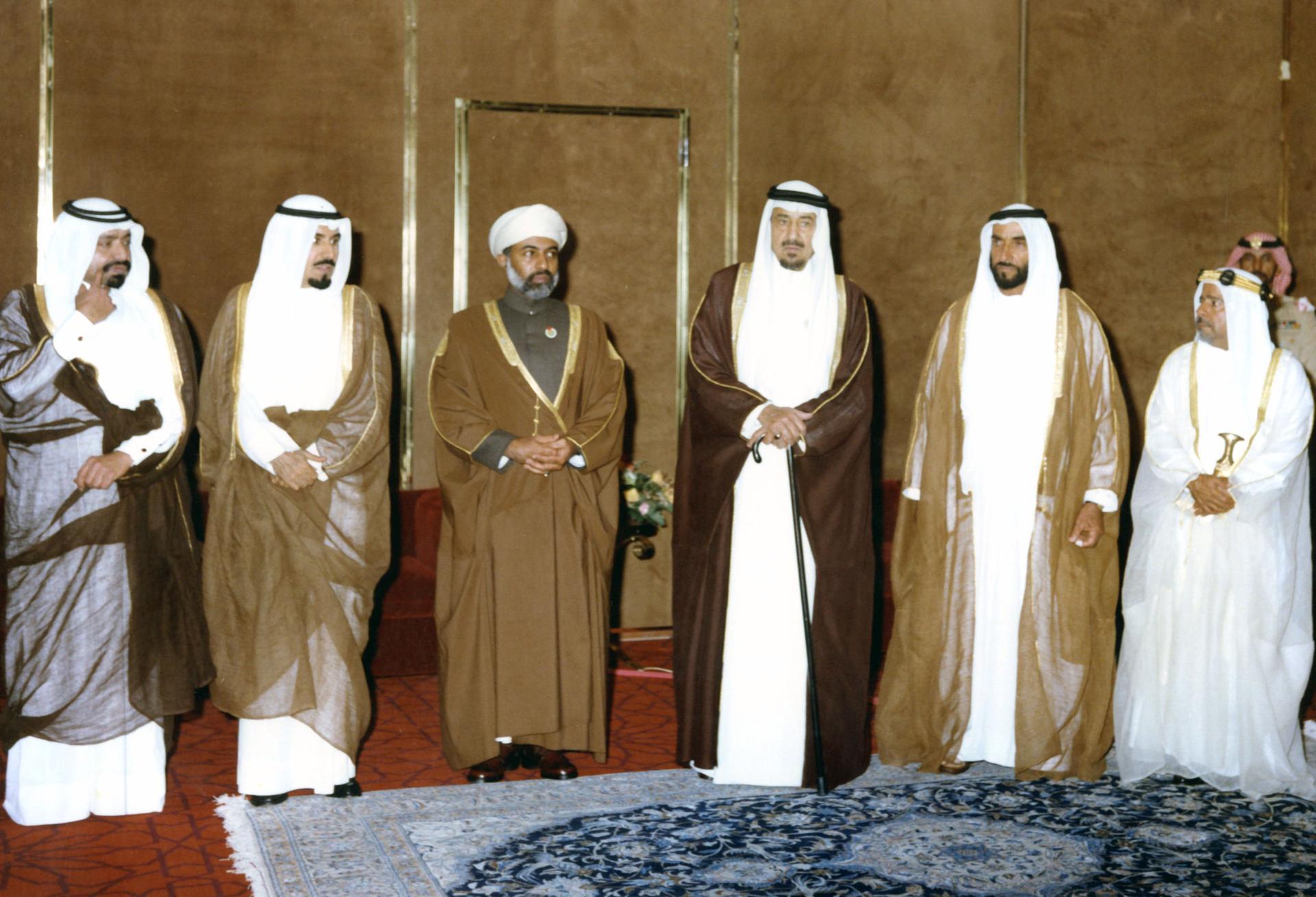
The Unspoken Purpose
Official statements rarely confess strategic anxiety. The founding documents of the Gulf bloc were drafted in the restrained language of cooperation, development, and regional harmony, careful not to provoke Tehran overtly and careful not to advertise fear. Yet political institutions are rarely defined by what they proclaim; they are defined by what they are built to prevent.
The internal logic of the Arab monarchies’ consolidation after 1979 did not require inflammatory phrasing to be understood. The revolution in Iran had demonstrated that a monarch, even one armed to the teeth by Washington and embedded within American security doctrine, could be overthrown by a movement that fused religious legitimacy with anti-imperial resistance. For the hereditary rulers of the Arabian Peninsula, the danger was not that Iranian tanks would roll across the water. The danger was that the language of political defiance, framed through Islam and articulated against Western dependency, might find resonance within their own societies.
The creation of the GCC therefore served several overlapping purposes, none of which needed to be written explicitly into its charter. It functioned first as a mechanism of ideological containment. By institutionalising coordination among the monarchies, it signalled that revolutionary currents would encounter a consolidated front rather than fragmented regimes. It transformed vulnerability into collective posture.
Second, it formalised a shared commitment to regime preservation. The Gulf monarchies had long maintained bilateral ties with Western powers, but 1979 forced them to think in bloc terms. Consolidation reduced the likelihood that any single state could be pressured, isolated, or destabilised without triggering wider consequences. It was an insurance policy against political contagion.
Third, and most consequentially, the GCC provided a framework through which the monarchies could anchor themselves more deeply within Western and, over time, Zionist-aligned security architecture without appearing individually subordinate. Alignment could be presented as collective necessity rather than individual dependence. The bloc created a buffer, not only against Iran, but against the optics of dependency itself.
In this sense, the GCC was not merely a diplomatic platform; it was counter-revolutionary architecture. It was designed to stabilise a particular regional order in which monarchical governance remained intact, Western military presence remained normalised, and the Gulf’s energy wealth continued to circulate within a global system shaped by American strategic dominance and protective commitments toward Israel.
Architecture, once constructed, acquires inertia. Institutions develop bureaucracies, defence coordination mechanisms, intelligence channels, joint exercises, and procurement habits. What begins as reactive consolidation gradually becomes structural alignment. Over time, the bloc no longer responds to a revolutionary shock; it embodies a permanent strategic posture.
That posture has defined the Gulf for more than four decades. It explains why the region cannot easily detach itself from confrontations involving Iran. The bloc was conceived to contain the Islamic Republic and to prevent its ideological or strategic expansion. In doing so, it bound its own security calculus to the preservation of a Western-backed regional order.
And orders, once defended institutionally, generate enemies.
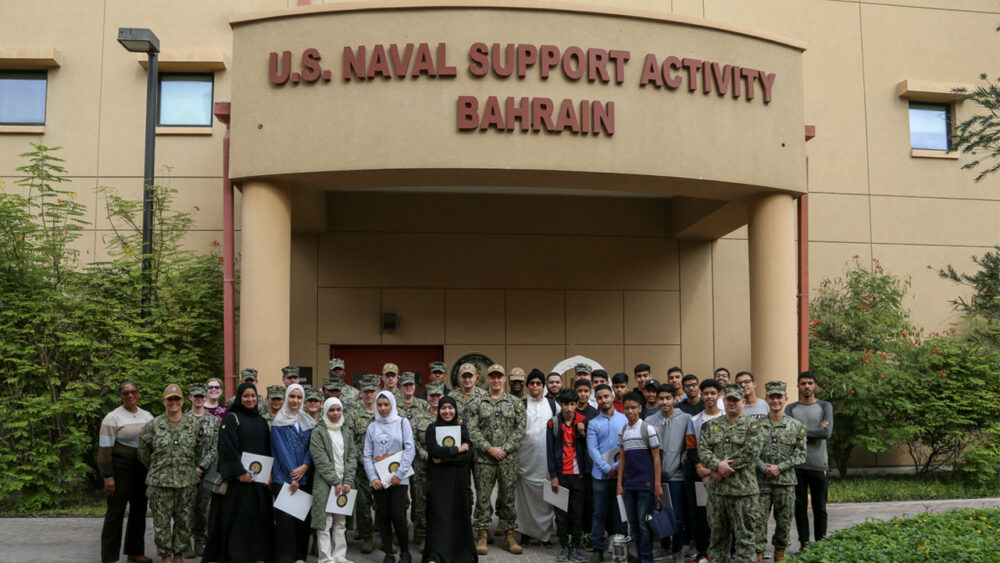
Militarising Containment
The consolidation of the Gulf monarchies in 1981 did not remain confined to summit reports and symbolic declarations. Within three years of its formation, the Gulf Cooperation Council established what became known as the Peninsula Shield Force, a joint military framework intended to formalise collective defence coordination among its members. The language surrounding its creation was cautious, even understated – it was described as a stabilising mechanism, a deterrent, and a means of safeguarding regional security.
But its underlying function was unmistakable. It was not conceived to facilitate trade or harmonise customs regimes. It was designed to create strategic insulation to ensure that the southern shore of the Gulf could present a unified defensive posture in the face of perceived Iranian expansionism and ideological influence.
Yet the Peninsula Shield Force was only the initial layer, given that its capabilities were limited, its manpower modest, and its operational independence constrained. The true transformation of Gulf security did not emerge from intra-GCC coordination alone, but from the deepening entrenchment of American military presence across the Arabian Peninsula.
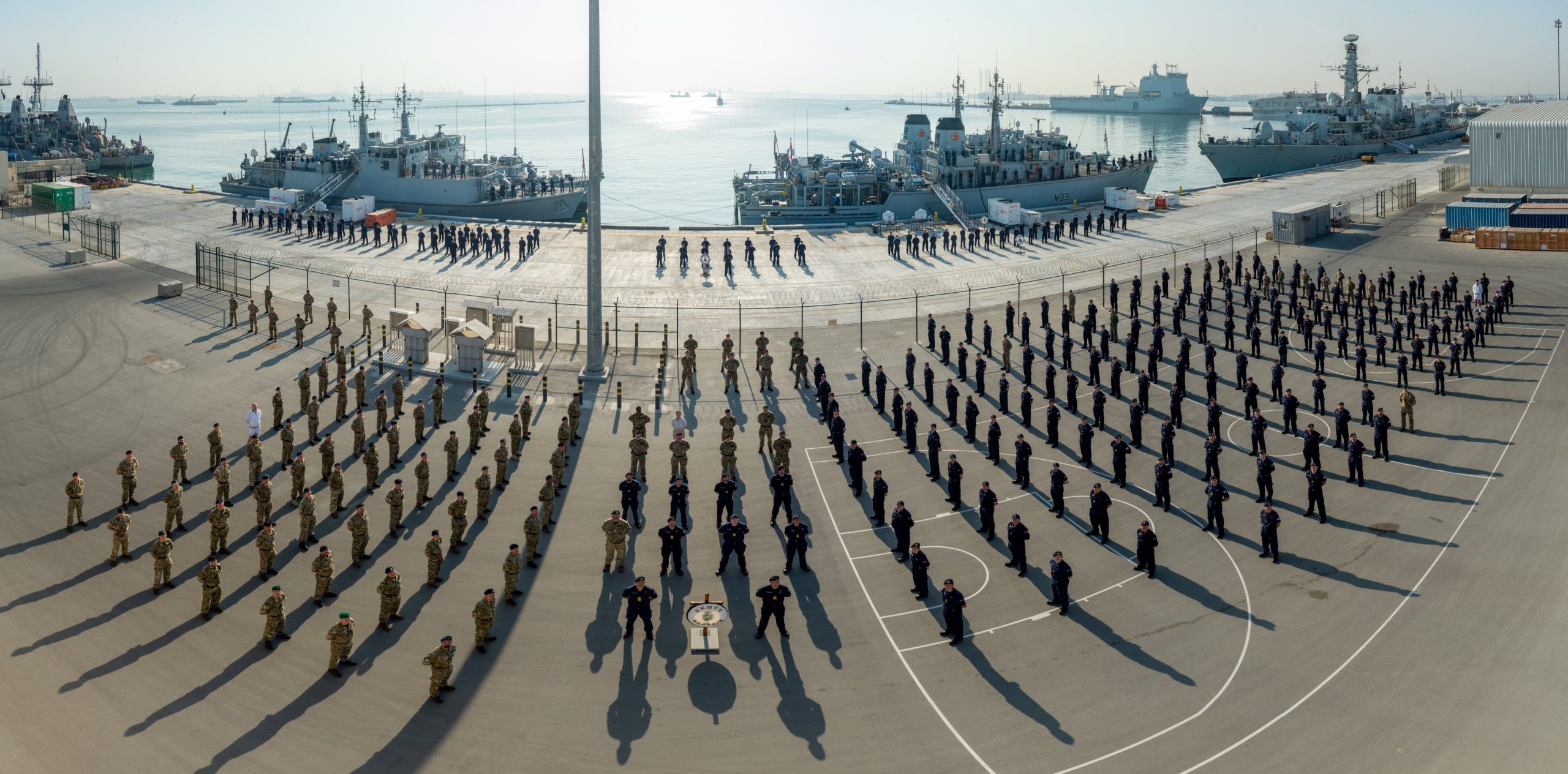
The 1980s and 1990s witnessed a steady expansion of US defence arrangements in the Gulf, accelerated by the Iran-Iraq War and solidified after Iraq’s invasion of Kuwait in 1990. What had once been episodic naval deployments evolved into permanent basing agreements, pre-positioned equipment stocks, integrated air defence systems, and long-term security partnerships. The Gulf monarchies did not merely purchase American weapons; they embedded themselves within an American command architecture.
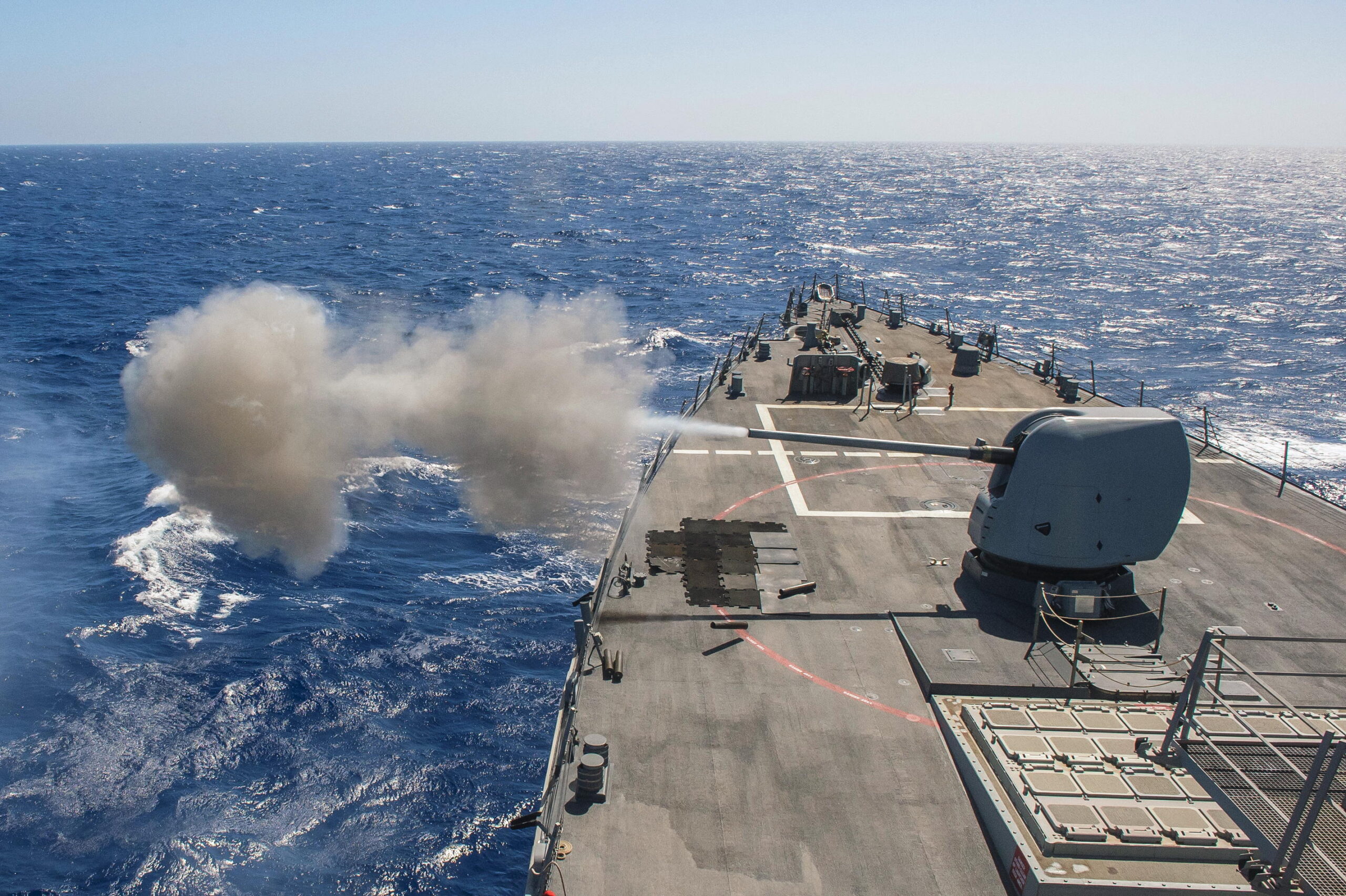
Air bases in Qatar, Bahrain, the United Arab Emirates, Kuwait, and Saudi Arabia were expanded, modernised, and synchronised with U.S. operational planning. Naval facilities deepened to accommodate carrier strike groups and rapid deployment fleets. Radar installations and early-warning systems were linked into broader regional defence grids. Joint exercises became routine. Intelligence sharing intensified, moving beyond transactional exchange into systemic integration.
By the early twenty-first century, the Gulf was no longer simply a host for American forces. It had become a forward operating environment for American power projection – a staging ground from which wars in Iraq and Afghanistan were launched, a logistical corridor through which equipment and personnel flowed, and a surveillance arc aimed squarely at Iran.
This transformation was neither accidental nor reluctant, but framed the logical extension of the bloc’s founding anxiety. Having defined revolutionary Iran as a strategic threat, the monarchies chose to secure themselves through external hegemony rather than regional recalibration. The American umbrella was not an emergency measure; it became a structural dependency.
Over time, Gulf territory ceased to function merely as sovereign land. It became operational terrain within a broader Western military ecosystem. Aircraft refuelled, fleets docked, drones launched, and command centres coordinated operations that extended far beyond the Gulf itself. The region’s geography – its ports, runways, and airspace – was woven into the infrastructure of American confrontation with Tehran.
This is the point that polite analysis often avoids.
When a state hosts the military infrastructure of a superpower engaged in open hostility toward another state, it forfeits the plausibility of neutrality. Sovereignty does not vanish, but strategic innocence does. The physical presence of foreign bases, integrated missile defence systems, and coordinated operational planning transforms territory into part of the battlespace whether or not the host government declares war.
The Gulf monarchies anchored their security in American protection to deter Iranian pressure. In doing so, they also anchored themselves within the retaliatory radius of any escalation involving Washington and Tehran. Geography did not change; alignment did.
Containment, once militarised, cannot remain abstract. It materialises in concrete, steel, radar arrays, and flight paths. And once materialised, it draws lines of fire.
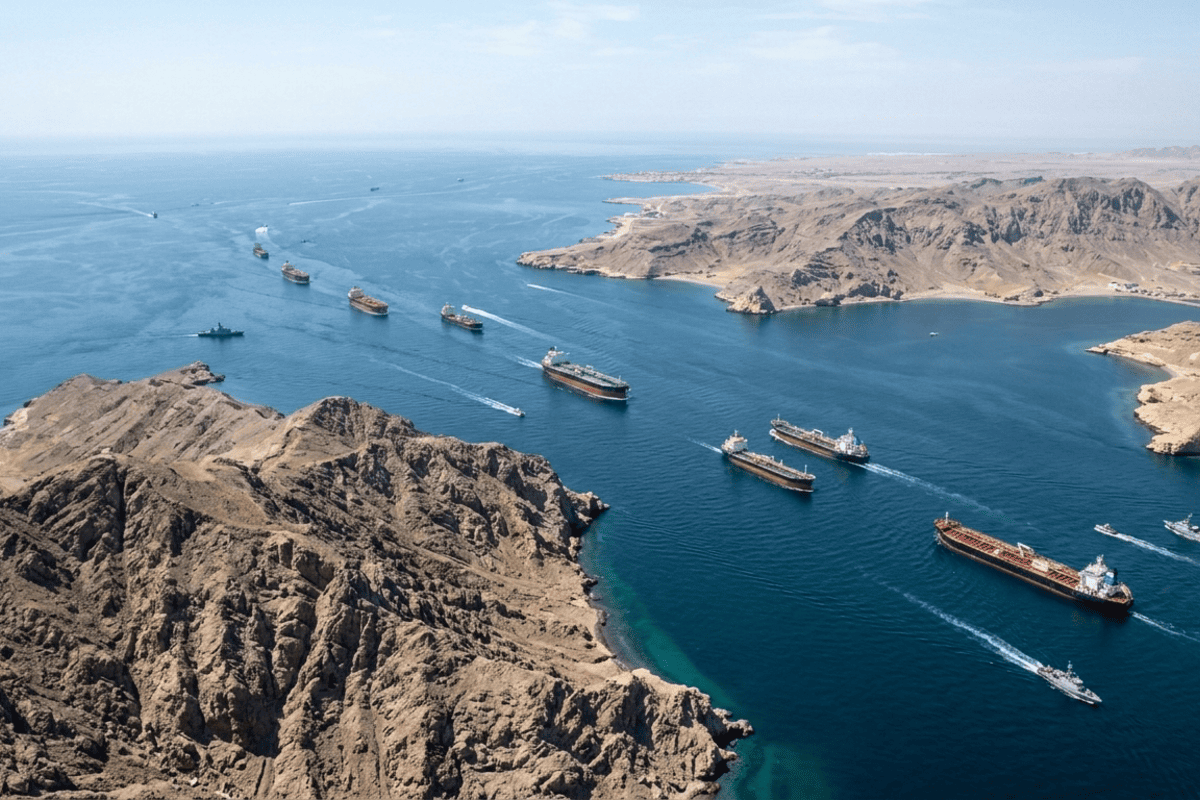
Geography Doesn’t Allow Innocence
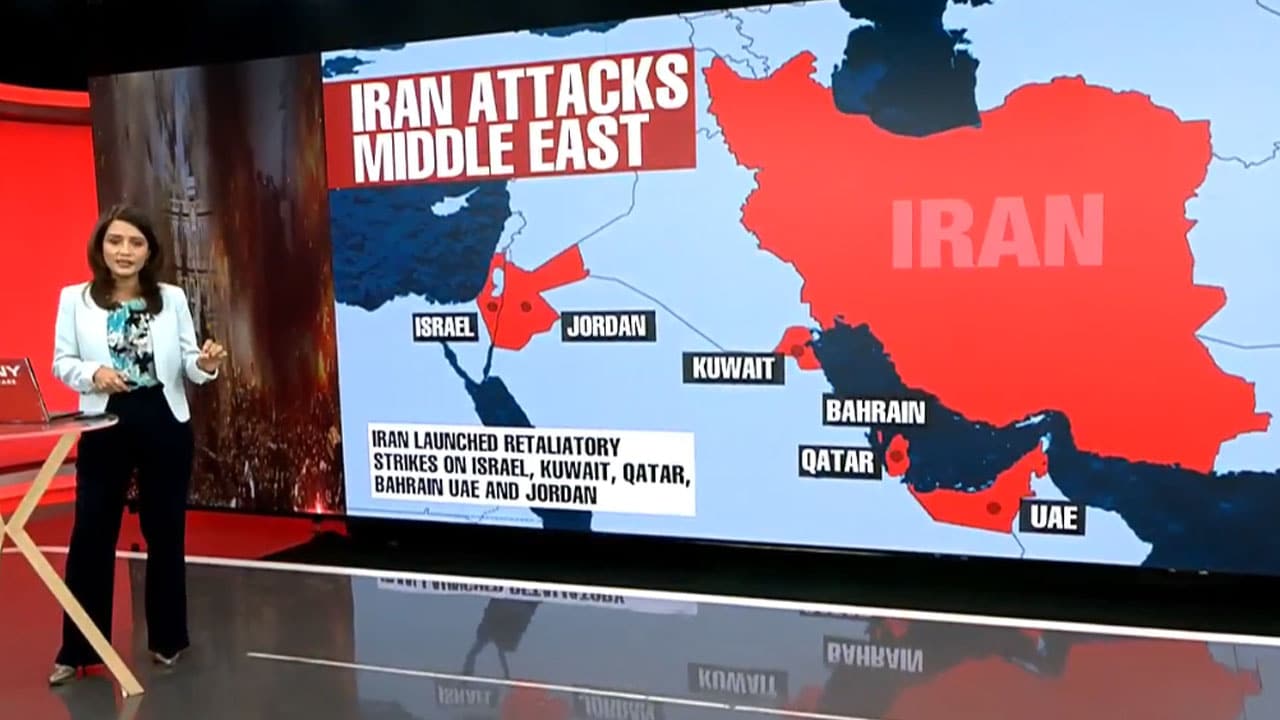
Look at a map. Iran sits on the northern shore of the Gulf, while the GCC states line the southern coast. Between them lies one of the most strategic waterways on earth.
This is not poetic framing but a geopolitical fact. The body of water separating Iran from the southern monarchies is narrow enough to eliminate illusions of distance, yet central enough to global energy markets that any instability within it reverberates far beyond the region. The Gulf is not an oceanic expanse that allows for buffer zones or strategic ambiguity. It is a compressed corridor of power, bordered by states whose security perceptions have been shaped by proximity rather than abstraction.
At the mouth of this corridor lies the Strait of Hormuz, a chokepoint through which a substantial portion of the world’s seaborne oil exports must pass. Energy security for Europe and Asia flows through it, insurance markets price risk according to it, naval patrols orbit it, and military planners model scenarios around it. Whoever can threaten it holds leverage, while whoever can secure it holds influence. There is no neutrality in the management of such a passage; there is only control, deterrence, or vulnerability.
For the monarchies that would later formalise themselves under the banner of the Gulf Cooperation Council, geography imposed a difficult choice after 1979. They could attempt to construct an independent regional balance with Iran, accepting coexistence with a revolutionary state across a narrow body of water. Or they could bind themselves more tightly to an external power capable of projecting overwhelming force into that space and guaranteeing maritime dominance.
They chose the latter.
Over the course of four decades, the security of Gulf waters and skies became increasingly inseparable from American naval presence and air superiority. Carrier strike groups patrolled the Gulf as a routine matter. Air defence systems were layered across the southern shore, linked through command networks that extended beyond local sovereignty. Surveillance capabilities monitored Iranian activity in real time. Joint exercises rehearsed scenarios not only of defence, but of rapid mobilisation.
This alignment stabilised markets and reassured investors, but it also carried structural implications that cannot be ignored. Once a state’s airspace is integrated into the operational posture of a superpower engaged in open hostility with its neighbour, that airspace ceases to be politically insulated from that hostility. Once ports, radar installations, and missile defence systems are woven into a broader military architecture directed at a specific adversary, they acquire strategic meaning in the eyes of that adversary.
Geography in the Gulf does not permit compartmentalisation. The narrowness of the waterway collapses distance between surveillance and target, between deterrence and provocation. An American aircraft lifting off from a Gulf runway is not perceived in Tehran as an abstract symbol of alliance; it is a concrete element within a regional containment structure. A missile defence battery installed on the southern shore is not a neutral instrument of safety; it is part of an integrated shield designed in anticipation of Iranian capability.
In such a landscape, innocence cannot be claimed through rhetoric. It is determined by physical configuration. The Gulf monarchies chose to situate their territory within a Western military ecosystem whose explicit purpose, for decades, has included constraining Iran’s strategic reach. Geography ensures that this choice is visible from across the water.
And what is visible can be calculated.
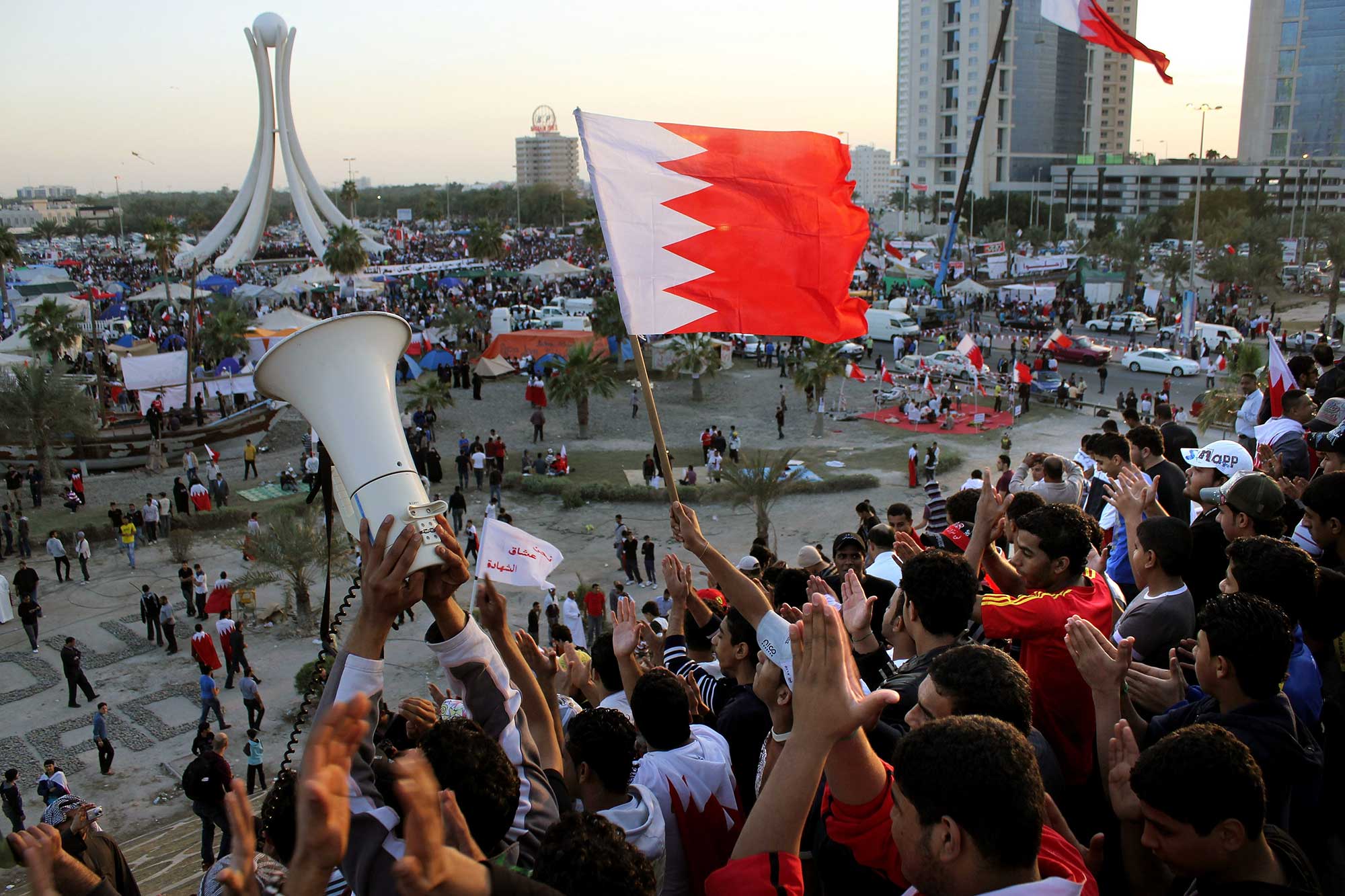
Bahrain 2011: The Internal Became Regional
In February 2011, as uprisings rippled across the Arab world, protests erupted in Bahrain. Demonstrations began with calls for political reform, constitutional accountability, and an end to systemic discrimination. The Pearl Roundabout became the symbolic centre of mobilisation. What unfolded in Manama was not a foreign invasion, nor an armed insurgency. It was a domestic political crisis rooted in longstanding grievances.
Yet the response it triggered was not confined within Bahrain’s borders.
When the ruling establishment in Bahrain signalled that it considered the unrest an existential threat, the GCC did not treat the matter as an internal political dispute, and in March 2011, forces operating under the Peninsula Shield framework entered Bahrain at the request of its government. Armoured vehicles crossed the King Fahd Causeway from Saudi Arabia into the island state. The language used publicly was that of stability and order, but the underlying message was unmistakable.
Regime security within one member state had become collective security for all.
The decision to intervene did not occur in isolation. It emerged from decades of anxiety surrounding the Iranian question and the perceived vulnerability of monarchical rule in a post-1979 environment. Bahrain’s demographic composition – with a Shia majority governed by a Sunni monarchy – had long been framed by regional actors through a geopolitical lens. The protests of 2011 were quickly narrated by Gulf officials as susceptible to external manipulation, with references to Iranian interference appearing prominently in official discourse.
Whether such influence was substantiated, exaggerated, or strategically instrumentalised became secondary to the political utility of the framing. The invocation of Iran transformed a domestic reform movement into a regional security threat. By situating the unrest within a broader narrative of Iranian expansionism, the intervention acquired justification not merely as support for a fellow monarchy, but as an act of collective defence against perceived destabilisation.
This moment marked a doctrinal shift. The Iranian question was no longer confined to maritime boundaries, missile ranges, or ideological rhetoric across the water. It became embedded within internal governance narratives across the Gulf. Domestic dissent could now be interpreted through a regional security prism. Political mobilisation could be framed as geopolitical subversion. The line between external containment and internal control began to blur.
Containment, which had once centred on military posture and alliance structures, expanded into policing, surveillance coordination, and shared intelligence practices within the bloc. Security cooperation deepened not only in preparation for external conflict, but in anticipation of internal unrest. The GCC evolved from a defensive coalition concerned with borders into a stabilisation mechanism concerned with regime durability.
Bahrain 2011 crystallised a reality that had been developing quietly for years: the survival of Gulf monarchies was understood to be interlinked, and any challenge perceived as potentially aligned with Iranian influence would be treated not as a local anomaly, but as part of a broader strategic contest.
From that point onward, the Iranian question operated on two levels simultaneously. It remained a matter of regional military balance, but it also became a lens through which internal political dynamics were interpreted and managed. The distinction between external adversary and internal vulnerability narrowed.
And once that distinction narrows, security logic begins to permeate governance itself.
The Myth of Compartmentalised War
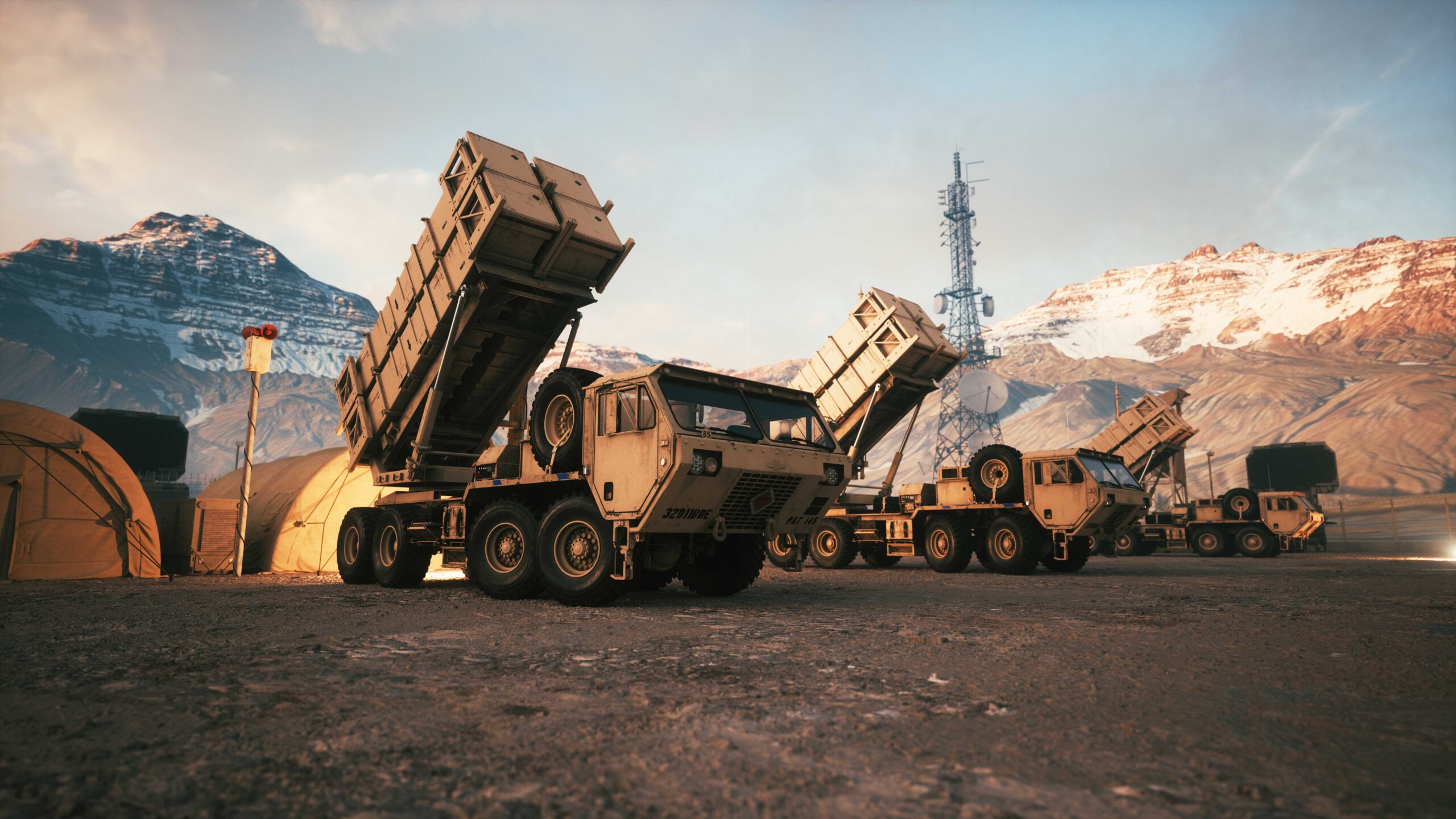
Contemporary commentary often treats regional escalation as though it unfolds in isolated arenas. A strike in Syria is analysed separately from naval movements in the GCC. An exchange between Iran and Israel is framed as a bilateral confrontation. American deployments are discussed as discrete responses to discrete incidents. The analytical habit is to segment – to assign each flare-up its own theatre, its own timeline, its own boundaries. And this habit is profoundly misleading.
War in the Gulf has never been compartmentalised because the infrastructure that sustains it has never been compartmentalised. The region operates as an integrated security ecosystem, woven together by basing agreements, air defence networks, intelligence fusion centres, maritime corridors, and logistical chains that transcend national borders.
When American aircraft launch from installations in Qatar or the United Arab Emirates, they do not become detached from the territory that enabled their deployment. When radar systems along the southern shore are synchronised with coalition air defence grids designed to track Iranian missile trajectories, they do not function as passive observers. When naval logistics flow through Gulf ports to sustain operations elsewhere in the region, those ports are not peripheral to the conflict. When intelligence nodes embedded on Gulf soil contribute to surveillance arcs focused on Iran, they become part of the strategic architecture directed at Iran.
In such a configuration, the Gulf is not standing outside confrontation. It is embedded within its operational logic.
Iranian military doctrine has evolved in response to precisely this environment. Tehran does not conceptualise confrontation solely in terms of direct exchanges between capitals. It conceptualises it as a networked system in which power is projected through alliances, basing rights, integrated defence grids, and economic chokepoints. Retaliation, therefore, is not restricted to the flag that authorises the first strike. It is calibrated toward the infrastructure that sustains that strike.
From Iran’s perspective, the ecosystem matters more than the headline.
This is why airports, energy facilities, naval installations, and military sites across the GCC enter the strategic calculus during periods of escalation. They are not targeted arbitrarily, nor are they treated as neutral commercial assets detached from geopolitical alignment. They are assessed according to their function within a broader containment architecture. If they enable surveillance, deterrence, logistics, or power projection directed at Iran, they become part of the equation when costs are imposed.
This does not render every installation a legitimate target under international law; nor does it collapse all distinctions between civilian and military infrastructure. But it does explain the logic through which escalation spreads beyond the immediate actors named in headlines.
The language of compartmentalisation obscures the deeper structure at work. It suggests that war can be geographically contained even when its infrastructure is geographically dispersed. It implies that territory can host military ecosystems without inheriting their strategic consequences.
The Gulf’s experience over the past decades demonstrates the opposite. Once integrated into a coalition architecture designed to constrain a neighbouring state, territory becomes inseparable from the operational environment that architecture produces. What appears to outside observers as spillover is, in fact, structural continuity.
The Paradox the GCC Can’t Escape
The GCC was conceived in the aftermath of revolution with a singular strategic objective: to prevent the Islamic Republic of Iran from dominating the political and military order of the Gulf. Its formation was presented as cooperation, but its core function was containment. The monarchies of the southern shore did not intend to wage war on Iran; they intended to ensure that Iran would never be in a position to coerce, intimidate, or ideologically destabilise them.
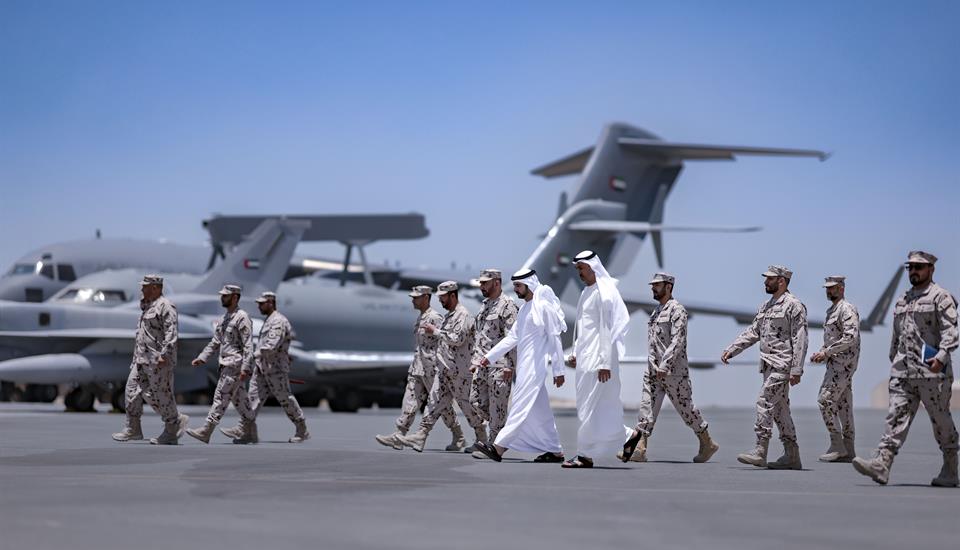
In pursuit of that objective, they made a decision that would shape the region for decades. Rather than constructing an autonomous balance of power within the Gulf itself, they anchored their security in the overwhelming force of the United States. American air superiority, naval dominance, missile defence systems, intelligence architecture, and command infrastructure became the ultimate guarantors of Gulf stability. The logic was clear: if the United States remained entrenched, Iran would be deterred.
But deterrence built on external hegemony carries a structural cost.
By embedding themselves within Washington’s military ecosystem, the Gulf monarchies did not merely purchase protection; they synchronised their security posture with America’s confrontation cycle. When Washington escalated, the Gulf’s territory was implicated. When Washington repositioned forces, the Gulf’s infrastructure absorbed the shift. When Washington entered open hostility with Tehran, the Gulf’s bases, airspace, and logistics corridors formed part of the operational landscape.
The insulation that the GCC sought gradually became entanglement. What began as a shield evolved into integration so deep that the line between host and participant blurred. The region’s geography – its ports, runways, radar installations, and energy infrastructure – was woven into a containment architecture whose central axis was confrontation with Iran. The monarchies retained sovereignty, but their strategic environment became inseparable from American military planning.
This is the paradox that now defines the GCC. The very architecture designed to prevent escalation has ensured that when escalation occurs, it radiates outward through the Gulf. The defensive grid meant to deter Iranian reach simultaneously signals alignment. The bases meant to guarantee security simultaneously mark territory as operationally relevant. The shield constructed to avoid war becomes part of war’s geometry.
In networked conflict, there are no isolated platforms. There are nodes – interconnected points through which power flows, information travels, and force is projected. The Gulf states, through decades of military integration, have positioned themselves as critical nodes within a Western-aligned security system oriented toward Iran. And nodes, in times of confrontation, are always within range.
Rhetoric Versus Reality
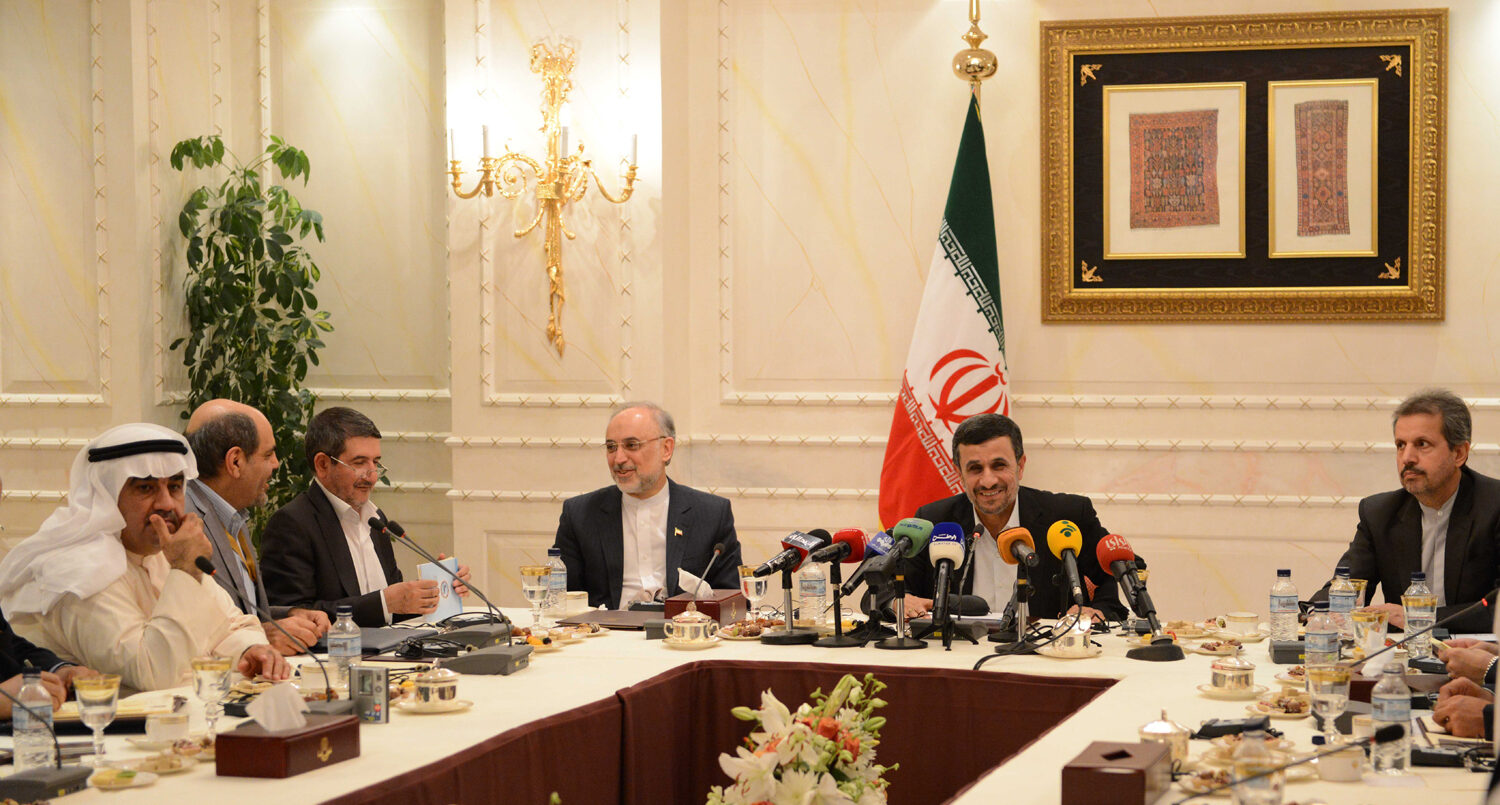
In the past decade, the political temperature of the Gulf has fluctuated. Diplomatic channels that once appeared frozen were reopened, ambassadors returned to capitals, and high-level delegations exchanged visits. Public language softened, particularly in the wake of fatigue from prolonged regional wars and shifting global alignments. Photographs were taken, communiqués were issued, and the vocabulary of de-escalation entered official discourse.
For many observers, these gestures suggested that the long arc of confrontation might be bending toward accommodation. If the GCC capitals could restore diplomatic ties with the Islamic Republic of Iran, perhaps the logic of rivalry had been fundamentally altered. Perhaps the era of rigid containment was quietly receding.
But diplomatic choreography does not automatically dismantle security architecture.
Missile defence systems integrated over decades do not disengage merely because envoys exchange handshakes, nor do intelligence-sharing frameworks painstakingly constructed across multiple administrations evaporate with the announcement of a summit. Basing agreements negotiated and renewed through successive cycles of tension remain binding regardless of softened rhetoric, and airspace coordination mechanisms embedded within joint operational planning continue to function long after press statements adopt the language of conciliation.
The physical infrastructure of alignment persists beneath the surface of diplomacy, embedded in lengthened runways, operational command centres, radar arrays that continue to scan, pre-positioned equipment stocks that remain in place, and joint exercises that still rehearse scenarios premised not on partnership, but on confrontation.
This is not to dismiss the significance of diplomatic thaw; communication channels can reduce miscalculation, economic engagement can temper hostility, and regional actors are neither static in their interests nor incapable of pragmatism. Yet structural alignment is not undone by atmospherics. It is dismantled only through material reconfiguration – through the renegotiation of basing rights, the disengagement of integrated defence grids, the alteration of procurement patterns, and the reorientation of strategic doctrine.
None of those transformations have occurred at a scale sufficient to redefine the Gulf’s security posture.
As a result, when rupture returns – whether triggered by confrontation between Iran and the United States, or by escalation involving Israel – it does not unfold on neutral terrain. It travels along the lines already constructed. The very systems that were designed to guarantee stability become conduits through which escalation spreads. The infrastructure built in anticipation of threat becomes part of the geometry of response.
Diplomatic language can soften perceptions, but it cannot erase architecture. And architecture, once laid down over forty years, determines the pathways through which conflict moves.
Why the Confusion Exists Today
The bewilderment that has is resurfacing now that the GCC is drawn into the current war is not entirely disingenuous. For ordinary people watching events unfold, the instinctive framework is moral causality. If a state did not launch the first strike, if its leaders did not publicly declare war, if its citizens were not the ones firing missiles, then why should it become a target? Why should its airports enter lockdown? Why should its energy facilities be placed within range?
The assumption is simple: violence should follow direct agency. Responsibility should be linear. Action should provoke reaction along a clearly identifiable axis.
But geopolitics does not operate according to moral linearity. It operates according to infrastructure.
In a region where military ecosystems are integrated across borders, responsibility is not confined to the hand that presses the button. It extends to the systems that enable that hand to function. If territory hosts air bases from which aircraft are launched, if its airspace is synchronised with coalition missile defence networks designed around a specific adversary, if its ports facilitate naval logistics sustaining broader operations, then that territory forms part of the architecture through which force is projected.
Whether or not local leaders publicly call for escalation becomes secondary to the material reality on the ground.
This is the uncomfortable truth that Gulf political discourse rarely articulates openly. The region is often framed as a victim of spillover, as collateral exposure to conflicts decided elsewhere. Yet the security framework adopted in the early 1980s – consolidation under the Gulf Cooperation Council, anchored in Western military integration and oriented toward containing revolutionary Iran – positioned the southern shore of the Gulf within the strategic perimeter of any confrontation involving Iran.
That positioning was deliberate. It was justified at the time as necessary for survival and stability. It delivered decades of deterrence and economic growth under the umbrella of American power.
But strategic choices accumulate consequences, infrastructure hardens, alliances entrench, and alignment becomes visible from across the water.
When escalation erupts, it does not consult diplomatic intent. It follows operational lines already built into the regional landscape. The GCC is not a random casualty of contemporary rupture. It is a structurally embedded node in a security order constructed decades ago in response to revolution. The missiles that now traverse its skies do not represent an inexplicable deviation from history – they trace its architecture.
The Long Shadow of 1981
The founding of the GCC was never a minor administrative development in regional diplomacy. It was a strategic inflection point. It marked the moment when the monarchies of the southern Gulf collectively chose to respond to the shock of revolution not by renegotiating their regional order, but by consolidating themselves within it, and by anchoring that consolidation to external power.
Over the decades that followed, the GCC undoubtedly evolved. It expanded its economic coordination, built common markets, hosted global investment forums, and cultivated the image of a modernising bloc integrated into international finance and trade. It learned the language of development, innovation, and global partnership, and it adapted to generational shifts and technological change. To the casual observer, it may even appear far removed from the anxieties of 1979.
Yet the strategic spine laid down in 1981 has remained remarkably consistent.
The bloc institutionalised a regional alignment that placed the Gulf firmly within a geopolitical contest defined by the containment of Iran and the preservation of a Western-backed order in West Asia. It normalised reliance on American military superiority as the guarantor of regime stability. It transformed external defence arrangements into permanent structural features of Gulf security. Over time, this alignment intersected with broader strategic convergences, including the consolidation of an anti-Iran axis that aligned Gulf security thinking increasingly with Zionist strategic priorities.
As the decades passed, the language surrounding the GCC grew softer and more technocratic, even as the architecture beneath it became more entrenched. Procurement patterns tightened integration, basing agreements consolidated enduring presence, missile defence grids aligned responses across borders, and intelligence-sharing mechanisms expanded in reach, gradually binding the Gulf’s geography into a containment framework that positioned Iran not simply as a neighbouring state, but as the organising principle of its security doctrine.
This is why retaliation does not appear arbitrary when it crosses Gulf skies. It follows lines already inscribed into the region’s strategic landscape. When escalation erupts between Iran and Western or Zionist actors, it does not need to leap across empty space. It moves through corridors constructed over forty years of alignment.
History, in this sense, is not background context. It is material infrastructure. Decisions made in moments of fear become concrete runways, hardened shelters, radar arrays, and naval berths. Diplomatic language may fluctuate, but installations remain. Summits may cool tensions temporarily, but defence architecture persists.
Over four decades, the GCC constructed what it believed to be a shield against revolutionary Iran, yet that shield gradually evolved into an integrated system of alignment, and integrated systems do not remain external to confrontation; they become part of its geometry.
The missiles that now traverse the region are not inexplicable intrusions into a peaceful order. They are the visible consequences of an order constructed in the shadow of 1979 and formalised in 1981 – an order that chose containment over coexistence, dependency over autonomy, and strategic alignment over regional recalibration.
The long shadow of 1981 is not rhetorical, but structural. And structures, once built, determine the range of what follows.
*Throughout this article, “the Gulf” refers to the Arab monarchies of the southern shore of the Persian Gulf, namely the member states of the GCC. This follows standard geopolitical shorthand in academic and policy discourse. The historical and internationally recognised name of the waterway remains the Persian Gulf. The term is used here for analytical clarity in discussing bloc alignment and security architecture, not as a cartographic statement. The debate over nomenclature does not alter the structural realities examined in this piece.

No Comment! Be the first one.