

How Iran’s Culture Of Resistance Shapes Its Battlefield Ethos
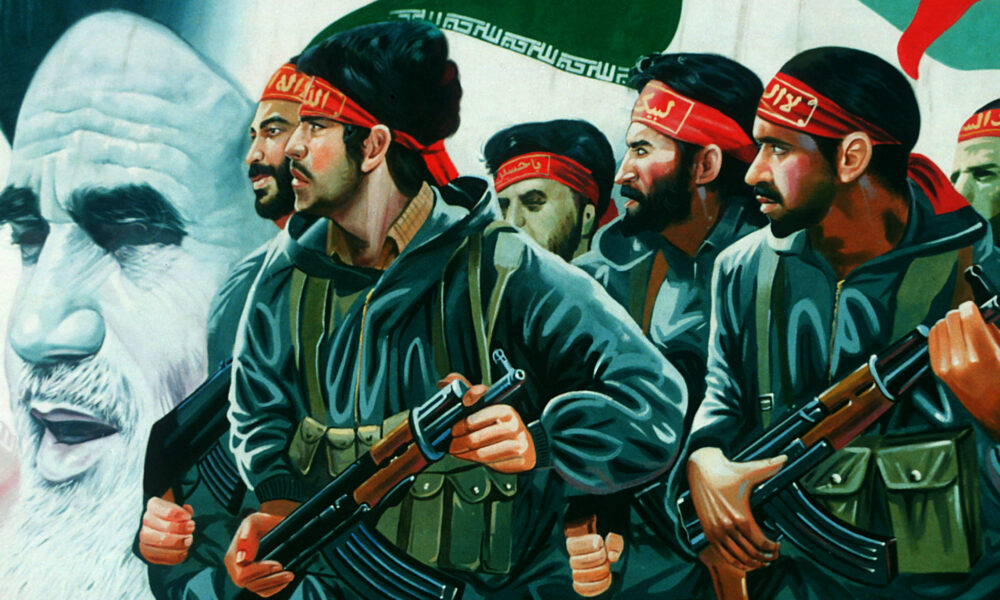
To the Western eye, war is a science of numbers. It is won through air superiority, precision strikes, surveillance dominance, and technological saturation. Power is calculated, not contemplated, measured in payloads and platforms, budgets and ranges, and the speed with which a missile reaches its target.
Iran tells a different story.
Here, war is not merely a contest of weapons, but a theatre of will. The battlefield is not only a front line; it is a moral reckoning, a test of endurance, conviction, and meaning. Resistance is not a tactic deployed in crisis, but the soul of an identity forged through centuries of siege, betrayal, survival, and the refusal to be humiliated.
Iran’s resistance ethos is not the residue of battlefield trauma, nor a reflexive posture against stronger enemies. It is the architecture of a civilisational memory. War is imagined not as conquest, but as endurance; not as domination through might, but as survival through meaning. Victory, in this grammar, is not defined by what is taken, but by what refuses to break.
This inversion of modern military logic was distilled by the late Supreme Leader, Imam Sayyid Ali Hosseini Khamenei, into five words:
“To defy is to win”
It is a doctrine that does not panic under prolonged pressure, nor measure success by territory captured or missiles launched, but by the spirit that remains unbroken under siege.
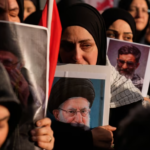
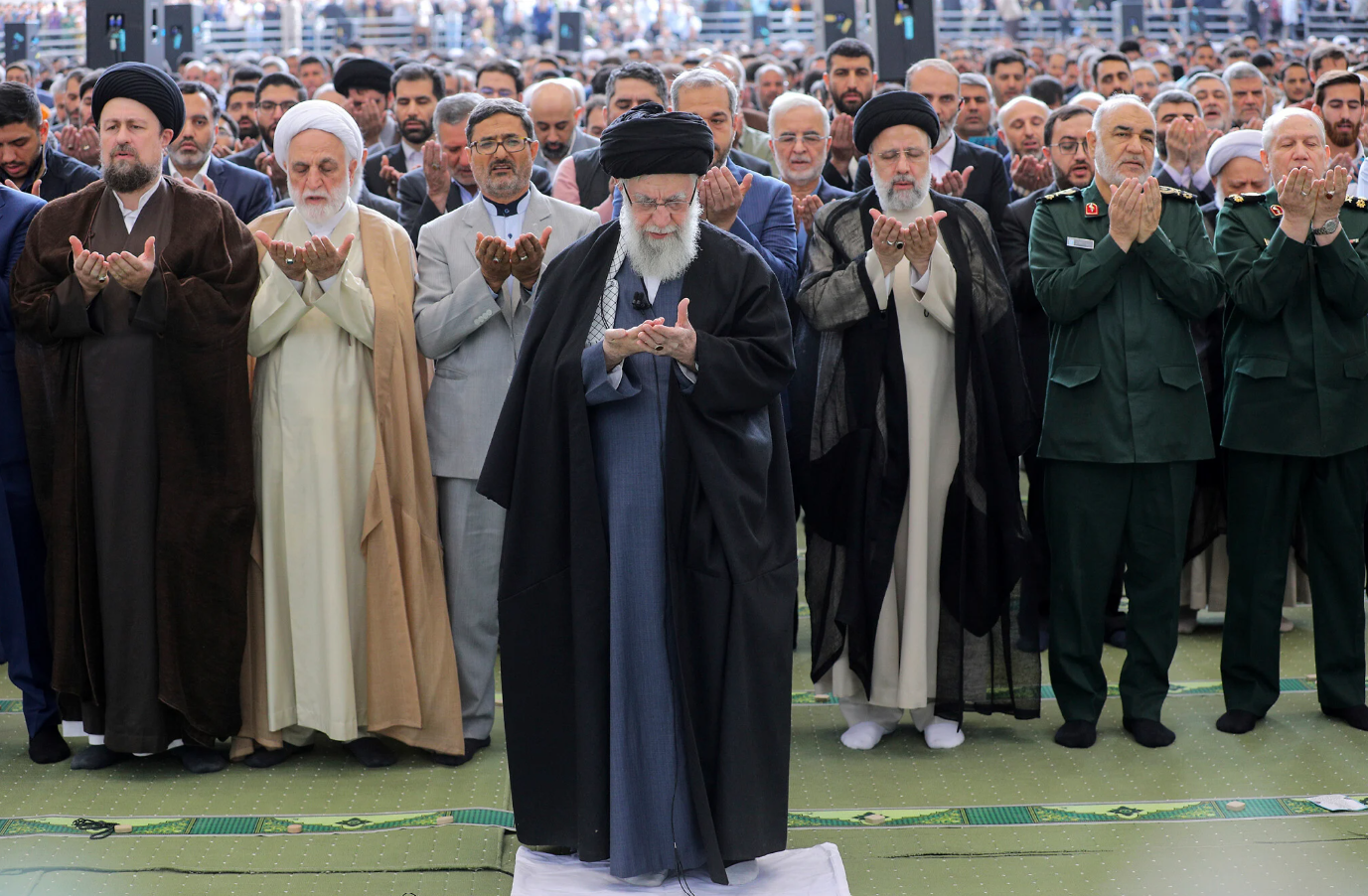
That ethos was laid bare during the twelve-day Israeli bombardment of Iran in June 2025. The strikes were punishing. Hundreds were killed, including senior military commanders. Yet Tehran’s response was neither retreat nor despair. It was procession, chant, and pledge. From Mashhad to Qom, mourning did not collapse into paralysis. It became mobilisation. The dead were not framed as liabilities, but as proof that the path remained righteous and therefore non-negotiable.
This is the paradox that continues to confound external observers. Where conventional logic predicts fracture, Iran displays consolidation. Where exhaustion is expected, resolve is reproduced. Death does not dissolve commitment; it deepens it. Grief does not erode morale; it hardens it into obligation.
To understand why, one must step away from war rooms and weapons systems and into classrooms, mosques, poetry halls, funeral rhythms, and history itself. Iran’s battlefield ethos is not learned only in training camps. It is inherited, rehearsed, and ritualised long before a fighter ever carries a weapon. And it is from this deeper moral formation that Iran’s approach to war, sacrifice, and resistance must be understood.
Historical Roots: From Karbala to Khorramshahr
Iran’s battlefield ethic does not begin with the modern state, nor with the Islamic Republic. It begins with a memory that Shia civilisation has refused to allow history to bury.
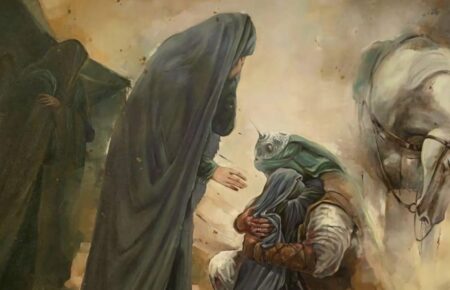
In the year 61 AH, on the plains of Karbala, Imam Husayn ibn Ali stood against a tyrannical authority in a confrontation that could not be won by any material measure. He was outnumbered, surrounded, denied water, and offered survival only through submission. But he chose refusal. Not because death was sought, but because surrender would have transformed life into complicity.
That moment was not preserved as distant tragedy, but was cultivated as moral instruction. Through centuries of mourning rituals, sermons, poetry, and jurisprudence, Karbala was transformed into an enduring ethical framework for understanding power, injustice, and resistance. Revolutionary slogans such as “every land is Karbala and every day is Ashura” were not rhetorical excess. They were declarations of continuity that collapsed the distance between past and present, insisting that oppression was never historical, and that moral choice was never deferred.
Within this tradition, defeat does not nullify righteousness, and victory is not defined by survival alone. What matters is the refusal to legitimise injustice. In that sense, Karbala did not teach Shias how to die. It taught them when living becomes surrender.
This moral grammar moved decisively from ritual to reality with the outbreak of the Iran-Iraq War in 1980. Under the leadership of Imam Ruhollah Mostafavi Musavi Khomeini, the war was framed not as a conventional territorial conflict, but as Sacred Defence. It was presented as a struggle to protect the revolution, its values, and the dignity it claimed for the oppressed, against an invasion backed materially and politically by regional and Western powers.
Imam Khomeini’s invocation of Karbala was not symbolic theatre. It functioned as doctrinal mobilisation. By situating the war within a sacred narrative of resistance, he transformed participation from a matter of state obligation into a moral duty. This reframing drew tens of thousands of volunteers to the front lines, including members of the Basij, many of them startlingly young.
These volunteers were not driven by a desire for death, nor by a romanticisation of martyrdom. They were compelled by a sense of responsibility that does not translate easily into Western categories of patriotism, conscription, or nationalism. They understood the war not as an abstract geopolitical contest, but as a moment in which injustice sought to decide the future by force.
It was within this context that the story of Mohammad Hossein Fahmideh entered Iran’s national consciousness. Only twelve years old, Fahmideh found himself facing an advancing Iraqi tank during the early stages of the war. When it became clear that there was no remaining way to halt its advance, he crawled beneath it with explosives and detonated them, stopping the tank at the cost of his own life.
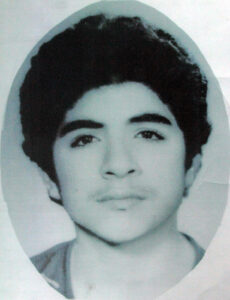
His act was not enshrined in memory because of its shock value, nor because of his age alone. It was preserved because it encapsulated the logic of Sacred Defence in its truest form: a judgement made under pressure, driven by necessity rather than spectacle, and grounded in the refusal to allow overwhelming force to dictate moral outcome. Fahmideh became emblematic not as a model to be replicated, but as evidence of how deeply the revolution’s ethical language had taken root.
This legacy did more than repel an invading army. It forged an institution. The Islamic Revolutionary Guard Corps (IRGC) was born under Imam Khomeini’s command to defend the revolution at all costs, and it absorbed Karbala’s moral logic into its institutional DNA. Ideological conviction was elevated above technical precision, and endurance was treated as a weapon in its own right.
Veteran testimonies from the war recount young volunteers walking into poisoned trenches and storms of artillery fire with a composure that unsettled even seasoned officers. Whether one admires this culture or recoils from it, its effect is undeniable: it produced a military ethos in which death was not sought, but fear was denied its power.
This was the crucible in which Iran’s modern battlefield identity was formed. Not simply through combat experience, but through meaning. Karbala was no longer only mourned. It was operationalised.
Martyrdom As Continuity, Not Catastrophe
In the Iranian imagination, martyrdom is not an end. It is a continuation.
It marks the moment where the finite body collapses and the cause expands beyond the individual who carried it. Within the Islamic Republic, shahadah is not framed as an escape from life, nor as a glamourised surrender to death. It is understood as social regeneration – the mechanism through which the culture of resistance renews itself across generations.
This distinction is critical. Martyrdom is not treated as an interruption of national life, but as one of the ways that life is morally reproduced. The fallen are not remembered as losses to be absorbed and forgotten, but as presences that remain active within the collective conscience. In this framework, death does not close a chapter; it opens responsibility.
During periods of conflict, particularly in asymmetric warfare, this ethic functions as a strategic force. Loss is not allowed to hollow morale. Instead, it is metabolised into resolve. As Esmail Qaani stated while honouring fallen Quds Force fighters in 2024, martyrs are not mourned through despair, but through continuity – by walking in their footsteps rather than retreating from the path they affirmed.
This is not rhetorical ornament. It is institutionalised.
Martyrs are formally recognised, materially supported, and narratively sustained through state and social structures. The Foundation of Martyrs and Veterans Affairs provides compensation and care for families of the fallen, but the deeper work happens elsewhere. Schools, streets, parks, and public institutions are renamed. Faces of martyrs line neighbourhood walls, particularly in working-class districts, transforming urban space into a living archive of sacrifice. Memory is not merely confined to ceremonies, but woven into daily life.
Through this constant visibility, martyrdom becomes civic identity. It teaches society who bore the cost of defence, and why that cost was borne. The effect is cumulative, as children grow up recognising names and faces before they ever encounter ideology in abstract terms. Resistance, therefore, is absorbed long before it is articulated.
This logic becomes most visible when high-ranking figures are killed. The assassinations of commanders such as General Haj Qasem Soleimani or Mohammad Reza Zahedi were framed not as strategic ruptures, but as moments of consolidation. Their deaths were presented as proof of the seriousness of the struggle, and of the threat resistance posed to its enemies. The phrase “we are all Qasem Soleimani” was not metaphor or sentiment. It functioned as mobilisation, binding fighters across borders, drawing new volunteers, and reinforcing psychological endurance across Iraq, Lebanon, Yemen, and Palestine.
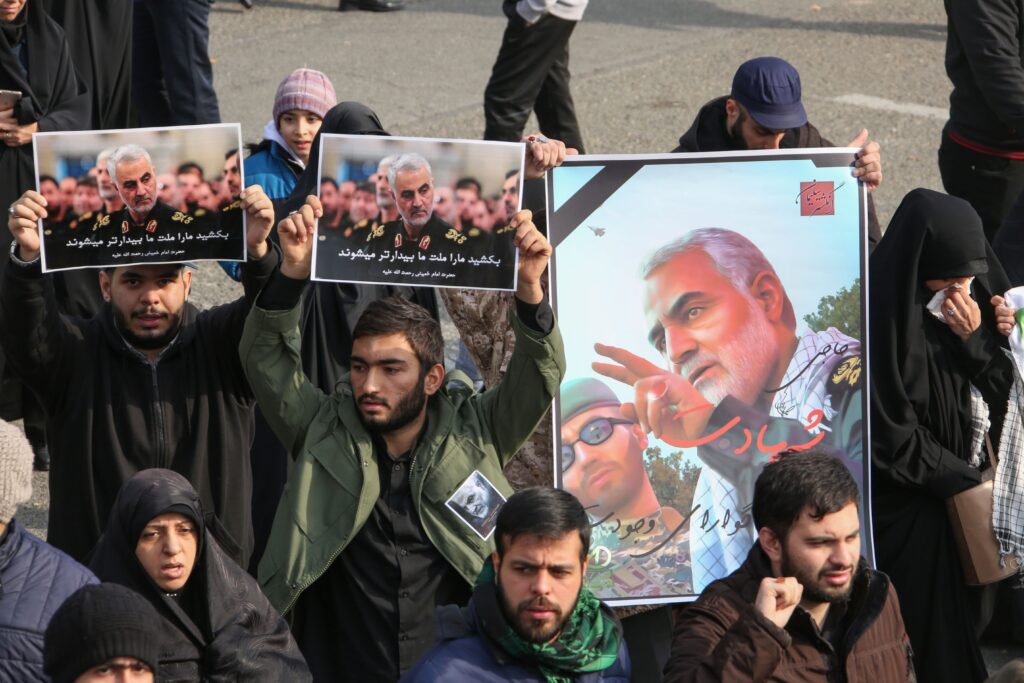
Yet this culture draws a line that is frequently ignored or deliberately erased by external observers. Martyrdom is honoured, but it is not pursued as an objective. Iranian fighters are not trained to die. They are trained to win.
Shahadah is not the goal of resistance; it is the consequence only when steadfastness leaves no alternative. Martyrdom emerges from istikamah – the refusal to surrender under overwhelming force – not from a cult of annihilation. Death is accepted, not sought. This understanding allows martyrdom to function as a strategic instrument without collapsing into recklessness. It fortifies fighters psychologically without hollowing operational discipline, and enables a long war posture in which endurance, patience, and restraint are not signs of weakness, but expressions of confidence.
In this sense, martyrdom becomes more than spiritual reward. It becomes a grammar for sustaining struggle – narratively, socially, and tactically – without dissolving into despair or nihilism. Loss does not demand retreat; it demands continuity.
And it is this logic – not fanaticism or indoctrination – that allows Iran’s resistance culture to absorb pressure that would fracture armies built purely on material calculus.
The Ethical Warfare That Iran Upholds
Despite decades of portrayal as a rogue actor unbound by restraint, Iran’s military self-conception is anchored in a distinctly Islamic framework of warfare – one that is not decorative theology layered onto strategy after the fact. It is presented as a binding structure that governs when force may be used, how it may be exercised, and where its limits lie.
At the core of this framework is the Qur’anic prohibition against transgression. War, even when justified, is not permitted to become unrestrained violence. Aggression and excess are forbidden, and the use of force is framed not as a licence, but as a responsibility bounded by moral law. In Iranian doctrine, legitimacy in war is inseparable from restraint.
This principle is most clearly expressed in the treatment of non-combatants. Iranian military doctrine explicitly forbids the deliberate targeting of women, children, the elderly, and those not directly participating in hostilities. This prohibition is rooted both in Qur’anic injunctions and in the Prophetic and Imamic traditions that shaped early Islamic rules of engagement. War may be necessary, but it is never allowed to dissolve ethical distinction.
Treaties and ceasefires are treated with similar seriousness. Once formalised, they are regarded as binding obligations rather than tactical pauses to be exploited. Iranian forces have repeatedly framed adherence to truces as a matter of religious accountability, not merely political convenience, which means that breaking an agreement is understood not only as a strategic risk, but as a moral violation.
Central to this ethical architecture are the religious edicts issued by Imam Khamenei, who occupied a dual role as both political leader and marjaʿ. Within the Islamic Republic, his rulings were not treated as symbolic guidance, but as binding constraints on conduct. Among the most consequential of these rulings was his prohibition on weapons of mass destruction, including nuclear arms. Whatever external observers make of Iran’s strategic calculations, the significance of this prohibition lies in what it asserts: that even deterrence is not exempt from moral limits.
Imam Khamenei also repeatedly affirmed the impermissibility of deliberately targeting civilian centres under normal wartime conditions. Retaliation, in this framework, is not a blank cheque. It must remain proportionate, directed, and justified. This insistence on discipline forms a central pillar of Iran’s claim to ethical warfare.
At the same time, Iranian doctrine draws a sharp and controversial distinction when it comes to Israel. Within Iranian and broader Axis of Resistance discourse, the civilian-military boundary in Israel is viewed as structurally eroded by universal conscription, reserve mobilisation, and the saturation of society with security functions. From this perspective, the Israeli entity operates less as a civilian polity protected by an army, and more as an integrated military complex embedded within daily life. This interpretation underpins Iran’s framing of deterrence and retaliation, particularly in response to Israeli strikes on Iranian territory.
This does not negate the principle of restraint; it reframes how responsibility is distributed. The argument advanced is not that civilians cease to exist, but that a system which militarises society cannot then invoke civilian immunity selectively while waging total war elsewhere. Whether one accepts this reasoning or not, it is essential to understand it, because it structures how Iran justifies its responses and where it draws its red lines.
In practice, this ethical framing manifests in how Iran conducts retaliation. Missile responses are often precise, limited in scope, and directed at military infrastructure rather than population centres. In several cases, advance warnings have been issued to reduce casualties, signalling intent without triggering uncontrolled escalation. The objective is not annihilation, but deterrence without moral collapse.
This approach stands in deliberate contrast to doctrines such as Israel’s Dahiyeh Doctrine or the American tradition of shock-and-awe warfare, both of which openly legitimise disproportionate force and the destruction of civilian infrastructure as tools of psychological domination. Where those doctrines collapse restraint into efficiency, Iran’s model insists that power without moral discipline is ultimately corrosive.
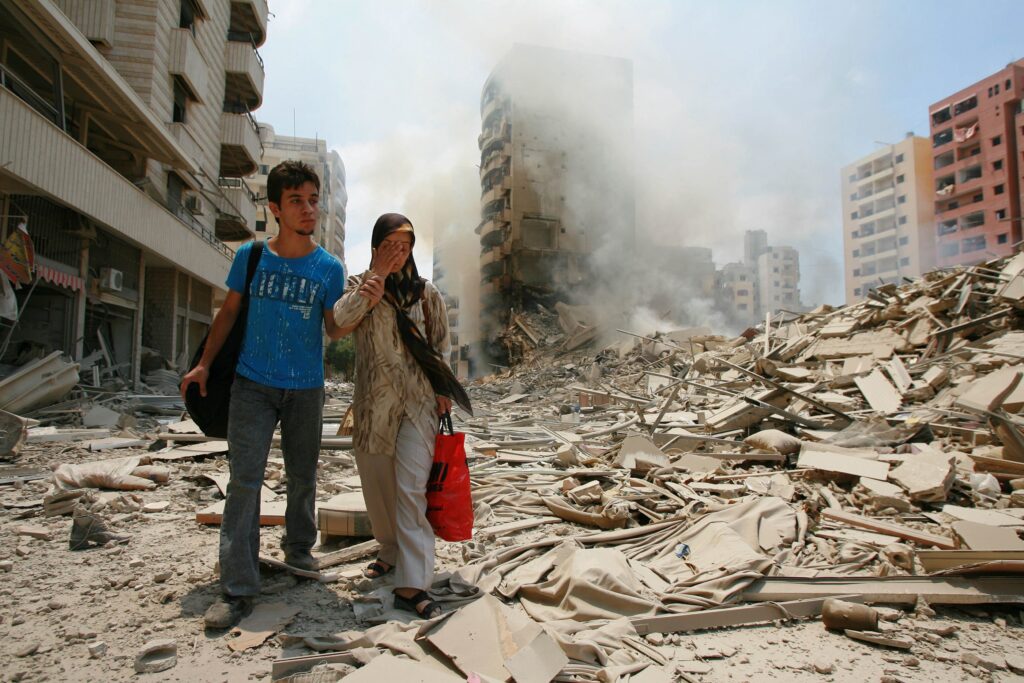
In this sense, Iran’s battlefield ethic does not deny the brutality of war. It refuses to sanctify it. Violence is permitted only insofar as it remains accountable – to law, to theology, and ultimately, to God. The claim Iran advances is not that it is flawless in practice, but that war must still answer to something beyond victory itself.
And it is this insistence – that force remains bound by meaning – that separates Iran’s resistance doctrine from both nihilistic extremism and liberal militarism alike.
Moral Formation Inside The IRGC And Basij
From the outside, Iran’s military training ecosystem is often reduced to a single, dismissive word: indoctrination. The term is deployed as a shortcut, implying passivity, coercion, and the erasure of agency. But this framing misunderstands what the Islamic Republic is actually doing, and more importantly, why it has proven durable.
Iran’s model is not built on ideological injection at the point of enlistment. It is built on formation. By the time a volunteer enters the IRGC or the Basij, the worldview that will guide them in combat has often been forming for years.
Resistance, in this system, is not a doctrine acquired in bootcamp. It is a moral orientation cultivated through education, ritual, history, and collective memory. Classrooms, mosques, Ashura commemorations, poetry gatherings, funeral processions, and media narratives all participate in shaping an understanding of power, injustice, and obligation long before a uniform is ever worn.
This is why the IRGC does not conceive of itself as a conventional national army. Unlike forces whose legitimacy derives solely from the state, the IRGC understands itself as the custodian of a revolution – a project that is ideological, moral, and civilisational, not merely territorial. Tactical training matters, but it is not treated as sufficient. Fighters are expected to know why they fight before they are taught how.
Formal training reflects this priority. Alongside military instruction, recruits undergo sustained ideological and historical education. This includes engagement with the Qur’an, Nahj al-Balaghah, and the battlefield ethics associated with Imam Ali ibn Abi Talib, revered not only as a warrior, but as the archetype of justice under arms. His refusal to sever ethics from force is presented as precedent, not piety.
This moral instruction is paired with political consciousness. Trainees are taught histories of colonial intervention, Zionist expansion, and Western imperialism, including Iran’s own experience of foreign domination and the 1953 coup. These are not framed as abstract grievances, but as continuities – evidence that power, left unchallenged, reproduces itself through humiliation.
Intellectual formation plays a central role here. The writings of Ali Shariati are studied not as slogans, but as frameworks for understanding revolutionary responsibility, martyrdom as social awakening, and resistance as ethical refusal. His work sits along with the political theology of Imam Khomeini, whose thought fused jurisprudence with revolutionary action, and the contemporary guidance of Imam Khamenei, whose writings emphasised discipline, patience, and strategic restraint alongside conviction.
This intellectual architecture sharply distinguishes Iran’s model from the dogmatic extremism seen in takfiri training environments. Rather than narrowing the world into binaries of annihilation, Iranian formation emphasises judgement, hierarchy of obligation, and accountability. Fighters are not taught to despise complexity. They are taught to endure it without surrendering principle.
In elite formations such as the Quds Force, this preparation expands further. Training includes geopolitical literacy, cultural fluency, and linguistic readiness for transnational engagement. Fighters are expected to understand the social terrain of the regions they operate in – Syria, Iraq, Lebanon, Yemen – not as abstract theatres, but as lived societies with their own histories, fractures, and sensitivities. War is not treated as a technical exercise divorced from context.
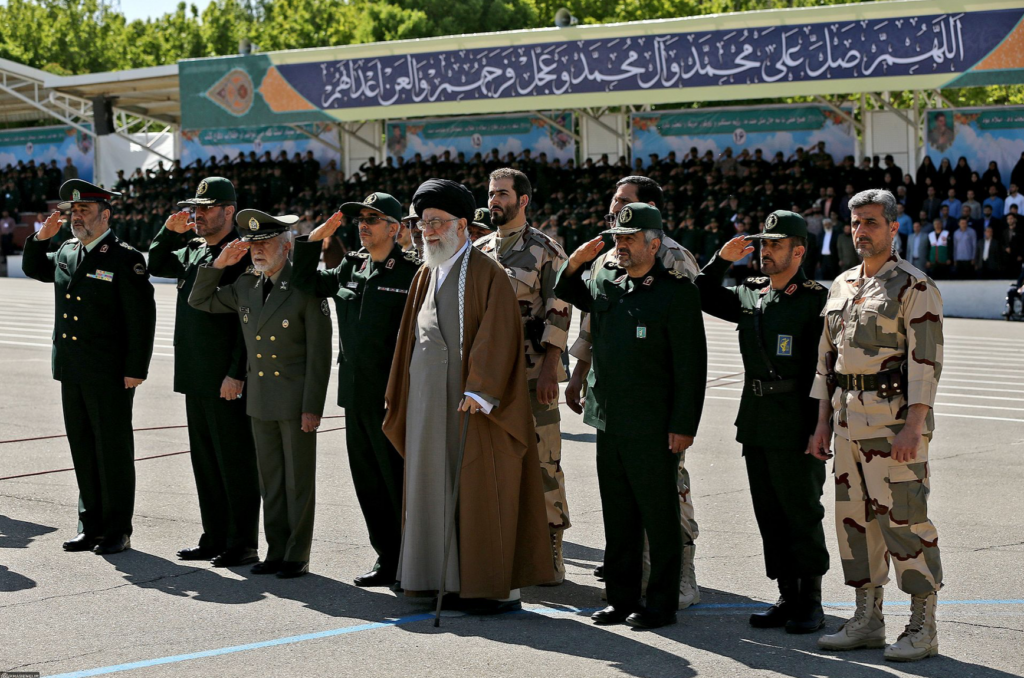
The cumulative effect of this formation is significant. Iranian fighters do not enter battle as blank slates shaped solely by command. They enter with a moral vocabulary already internalised, a sense of historical continuity already assumed, and a conception of resistance that precedes the weapon itself.
This is why Iran’s battlefield ethos does not need to be constantly enforced through coercion. It is already present. Training does not create belief; it disciplines it. And discipline, more than fervour, is what allows a force to endure prolonged pressure without collapse.
Martyrdom, Memory, And The Aesthetic Transmission Of Ethos
Iran’s culture of resistance is not sustained by doctrine alone. It is carried, reinforced, and normalised through aesthetics – through sound, space, and symbol – in ways that make ideology felt long before it is articulated.
This is where many external observers misunderstand the role of martyrdom most profoundly. They read its visibility as coercion or spectacle, assuming that repetition equals manipulation. But within the system, martyrdom is not imposed as a command. It is absorbed as atmosphere. It becomes part of the emotional landscape through which people move, long before they are asked to make political choices.
One of the most enduring practices in this transmission is the writing of ‘wasiyyahs’ – final letters or wills – a tradition that dates back to the Iran-Iraq War and continues among fighters today. These texts are not bureaucratic formalities. They are often intimate, reflective, and unmistakably personal. Fighters write to parents, siblings, spouses, and future generations, speaking less about death than about responsibility, justice, and unfinished obligations.
What matters is not only that these letters are written, but that they are preserved. They are published, recited, and circulated in mourning ceremonies and media, transforming private reflection into collective memory. In this way, martyrdom is narrated not as disappearance, but as a voice that remains present even after the body is gone.
Sound plays a similarly formative role. Revolutionary anthems and mourning recitations echo through training camps, neighbourhoods, and national commemorations. During the Sacred Defence, voices like Sadegh Ahangaran became synonymous with the emotional grammar of war, their recitations binding grief to resolve. In later generations, a new cohort of maddāḥs and resistance artists has continued this lineage, producing anthems that blend religious symbolism with contemporary cadence, ensuring that the language of sacrifice remains current rather than archival.
These sounds do not function merely as propaganda. They regulate emotion. They teach restraint in grief, discipline in anger, and patience in endurance. They provide a shared rhythm through which collective suffering is processed rather than dispersed.
Space, too, is deliberately inscribed with memory. Barracks, bases, and public institutions are named after fallen commanders and fighters. Murals and shrines mark neighbourhoods, not as static monuments, but as daily reminders of who bore the cost of defence. In working-class districts especially, these images collapse the distance between civilian life and battlefield sacrifice. Resistance is not something that happened elsewhere. It is something that came from here.
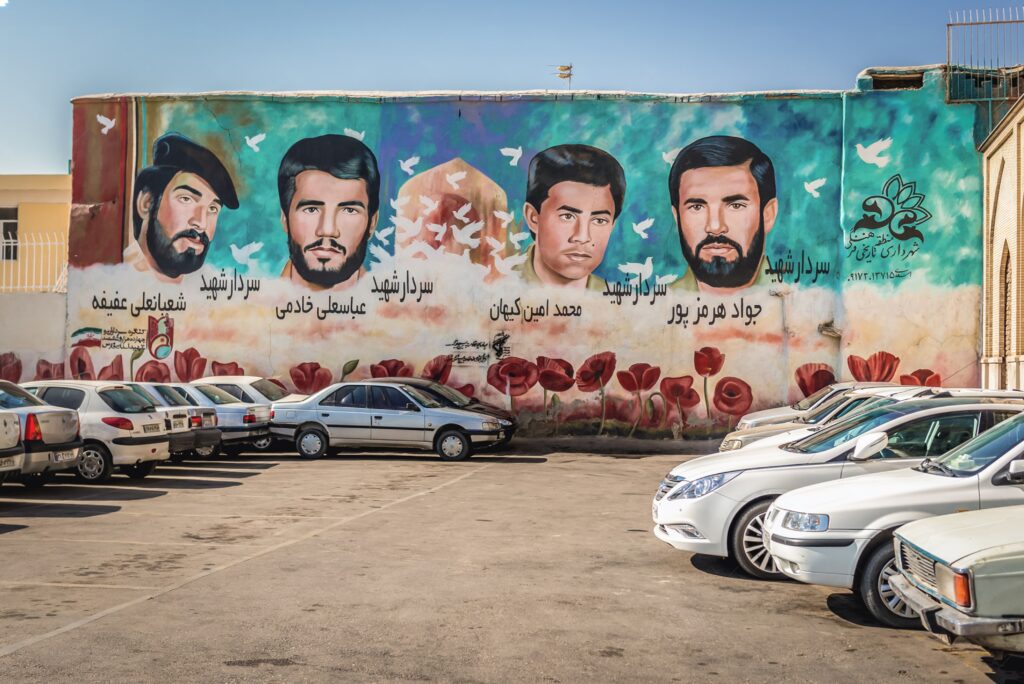
Visual media extends this transmission further. Posters, documentaries, and television series weave narratives of resistance into popular culture, often blurring the line between entertainment and instruction. Shows such as Dar Chashm-e Baad, Gando, and Paytakht do not simply recount events. They normalise a worldview in which sacrifice is intelligible, loyalty is honoured, and resistance is portrayed as ethical rather than aberrant.
What distinguishes this aesthetic system is its subtlety. It does not rely on constant exhortation, but on familiarity. Over time, the language of martyrdom ceases to feel extraordinary, as it becomes part of the moral furniture of everyday life.
This framework does not end at Iran’s borders. Across the broader Axis of Resistance, similar aesthetic tools are adapted and localised. Military anthems in southern Lebanon, martyr posters in Iraq, flags and slogans in Yemen all echo Iranian influence, while remaining rooted in local idioms. The form travels, but the content is translated. What is shared is not culture imposed from above, but a recognisable grammar of dignity and refusal.
Through sound, space, and symbol, Iran’s battlefield ethos is transmitted without needing to be constantly explained. It is heard before it is reasoned, seen before it is theorised, and felt before it is chosen. By the time an individual confronts the question of participation, the moral language of resistance already feels familiar.
This is how an ethic survives pressure. Not by shouting itself hoarse, but by embedding itself quietly into the texture of daily life.
Resistance As A Civilisational Identity
What ultimately distinguishes Iran’s model of resistance is not how it fights wars, but how resistance functions as identity rather than posture. It is not an episodic response to crisis, but a continuous moral orientation through which authority, legitimacy, and obligation are understood.
In this framework, resistance is not limited to those who carry weapons. It is a social condition. The distinction between civilian and defender is not occupational, but ethical. Participation is measured not by enlistment, but by recognition of responsibility.
This civilisational framing reshapes how legitimacy operates. Authority does not rest solely on coercive power or institutional command, but on perceived moral alignment. Leaders are judged not only by effectiveness, but by fidelity to a covenant: the obligation to defend the oppressed, resist humiliation, and remain answerable to something beyond the state itself.
It is within this moral economy that figures such as Haj Qasem Soleimani acquired authority that exceeded rank. Their legitimacy did not derive from command alone, but from embodiment. They spoke the same language of obligation as those they led, moved through the same symbolic universe, and accepted the same risks. Leadership, in this system, is inseparable from visibility and shared exposure.
This identity-based structure also explains why external pressure often consolidates rather than fragments the system. Sanctions, assassinations, and threats are not processed as technical disputes, but as moral tests. Endurance becomes a measure of collective integrity. Survival without surrender is read not merely as success, but as validation.
Suffering, in this context, is neither denied nor glorified. It is interpreted. Hardship is situated within a larger narrative of confrontation with power, one that does not promise comfort, but meaning. Resistance therefore ceases to be reactive. It becomes ambient, shaping how history is remembered, how sacrifice is justified, and how the future is imagined.
This is why Iran’s battlefield ethos cannot be understood in isolation from its society. The battlefield is not where resistance begins. It is where a civilisational identity reveals itself under pressure.
How Resistance Travels
Iran’s culture of resistance extends beyond its borders not through occupation or command, but through coherence. What travels is not authority, but a shared moral grammar – one that renders resistance intelligible, legitimate, and necessary in societies already shaped by occupation, collapse, and humiliation.
From Lebanon to Iraq, Yemen to Palestine, alignment with Iran has not been produced by ethnic affinity or formal allegiance, but by recognition. Movements encountering materially superior enemies found in Iran’s model a language that named injustice without apology and framed endurance not as failure, but as victory over time.
This transnational coherence is routinely misrepresented as manipulation. The proxy narrative insists that Iran manufactures resistance where none would otherwise exist. In reality, Iran enters landscapes already defined by grievance and rupture. Its role is not origination, but articulation – offering a framework through which struggle becomes morally legible rather than pathologised.
At the centre of this alignment sits what is known as the Axis of Resistance. Its cohesion does not depend on hierarchy, but on shared red lines: the non-negotiability of Palestine, the rejection of permanent foreign military presence, and the conviction that steadfastness, not annihilation, is the measure of victory. These principles allow for coordination without command and solidarity without submission.
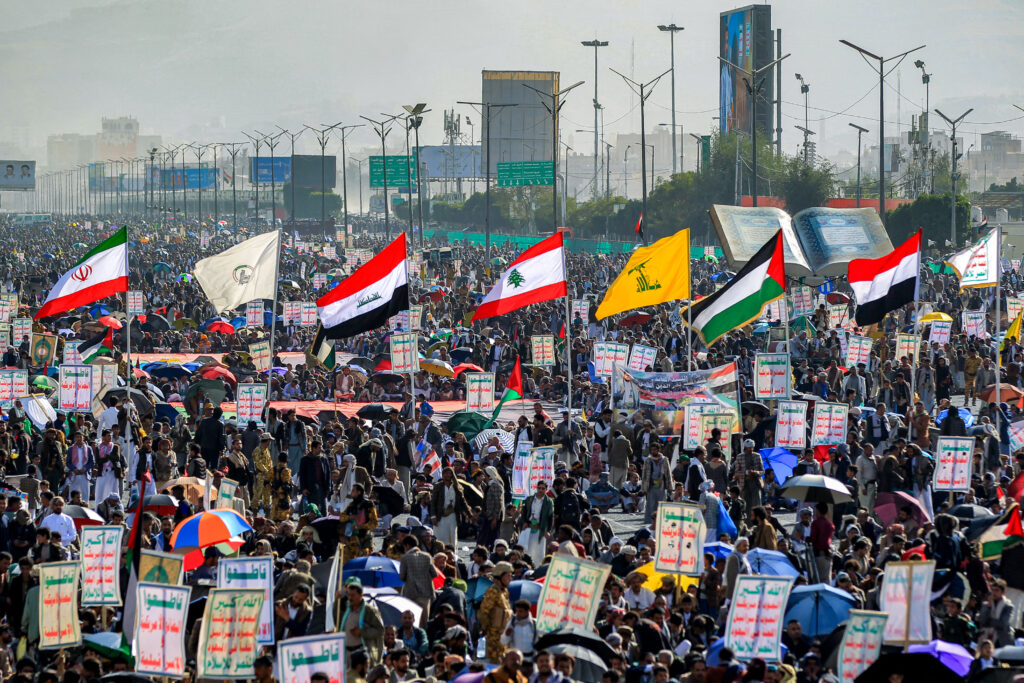
Autonomy is not incidental to this structure; it is essential to it. Resistance movements retain their own leadership, social roots, and political calculations. Iran functions less as a command centre than as an ideological anchor and logistical ally. Alignment is sustained by conviction, not enforced by obedience – a design choice that makes decapitation strategies largely ineffective.
The assassination of Haj Qasem Soleimani revealed this architecture with clarity. Mourning erupted across Najaf, Beirut, Damascus, and Gaza not because of obligation, but recognition. For many fighters, Soleimani was not a foreign commander, but a figure who understood local terrain, respected agency, and fought alongside rather than above.
Religious, educational, and media networks reinforce this continuity, allowing ideas to circulate without formal control. Seminaries, language, shared symbols, and narrative framing embed resistance locally while preserving transnational coherence. The result is a federated ecosystem capable of independent action and collective deterrence.
This is why Iran’s resistance project is so difficult to neutralise. It cannot be dismantled by severing a chain of command, because no such chain exists. It does not rely on occupation, because it does not require presence. It travels as invitation rather than an invasion, and offers meaning where submission has long been presented as inevitable.
And it is precisely this refusal – the insistence that dignity is possible without permission – that makes it threatening.
When Ethos Shapes The Battlefield
Iran’s culture of resistance produces measurable consequences on the battlefield. In multiple theatres, Iranian-trained and Iranian-aligned forces have demonstrated a capacity for discipline, psychological resilience, and tactical patience that consistently exceeds their material means. Where conventional military logic assumes victory belongs to superior firepower, Iran’s model inverts the equation: victory belongs to the side most capable of enduring.
This inversion was first made unmistakably visible beyond Iran’s borders during the 2006 Lebanon War, particularly in the battle for Maroun al-Ras. Early in the war, Israeli units attempted to seize the village, expecting rapid control of a modest hilltop overlooking northern occupied Palestine. Instead, they encountered fighters who had prepared for years, studying terrain, fortifying positions, and internalising a doctrine that prioritised composure over speed.
Hezbollah fighters, trained through IRGC and Quds Force methodologies, operated with decentralised command structures that allowed small units to function independently under heavy bombardment. Armed with limited weaponry – small arms, rocket-propelled grenades, and basic anti-tank systems – they exploited terrain mastery, tunnel networks, and patience. Israeli air superiority and artillery dominance failed to translate into decisive ground control. The village did not fall quickly. It resisted.
What unsettled Israeli analysts was not simply the tactical difficulty, but the psychological encounter. Fighters did not panic under sustained fire, nor did they abandon positions when isolated. Veterans later described confronting an enemy that appeared unmoved by the usual pressures of shock and attrition – a “ghost army” that fought without visible fear or collapse.
A decade later, this same ethos surfaced in a different register during the protracted battle for Aleppo. Between 2012 and 2016, Iranian military advisers, Hezbollah units, Afghan fighters from Liwa Fatemiyoun, and the Syrian army operated within a unified resistance framework against ISIS and other foreign-backed militant groups. What distinguished this campaign was not simply coalition cohesion, but the integration of strategic patience with moral framing.
The battle was presented not only as a military necessity, but as a defence of civilians, of religious sanctuaries, and of social continuity against takfiri brutality. This framing was not external propaganda, but was internalised by fighters themselves. Martyrdom notices did not describe the fallen as expendable combatants, but as defenders of the oppressed, and that self-understanding mattered. It shaped how fighters endured sieges, accepted incremental advances, and resisted the pressure to seek quick, catastrophic resolutions.
Tactically, the campaign relied on methods that reflected this long-war mentality: corridor sniping, tunnel warfare, layered defence, and siege endurance. Progress was slow, grinding, and costly, but collapse was avoided. The reconquest of Aleppo did not arrive as a dramatic breakthrough, but as attrition borne patiently, under a framework that treated time itself as a weapon.
Here, a pattern emerges: Iranian-trained forces do not seek decisive spectacle. They seek sustainability. They are prepared to absorb punishment without losing coherence, to delay rather than rush, and to treat survival under pressure as strategic success. This does not eliminate losses. It reframes them.
Enemies encountering this model repeatedly reach the same conclusion: airstrikes alone do not suffice, and decapitation does not guarantee disintegration. Psychological warfare falters when fighters are trained to interpret suffering as confirmation rather than deterrent.
Strategic Precision And Psychological Shock: The Ayn Al-Asad Strike
In January 2020, Iran’s culture of resistance entered a new and highly visible phase. Following the U.S. assassination of Haj Qasem Soleimani, the Islamic Republic launched a direct ballistic missile strike on the Ayn al-Asad Airbase in Iraq. It was the first time Iran had openly and directly targeted American forces, and it was designed to communicate something far more consequential than retaliation alone.
What distinguished the operation was not simply that it happened, but how it happened.
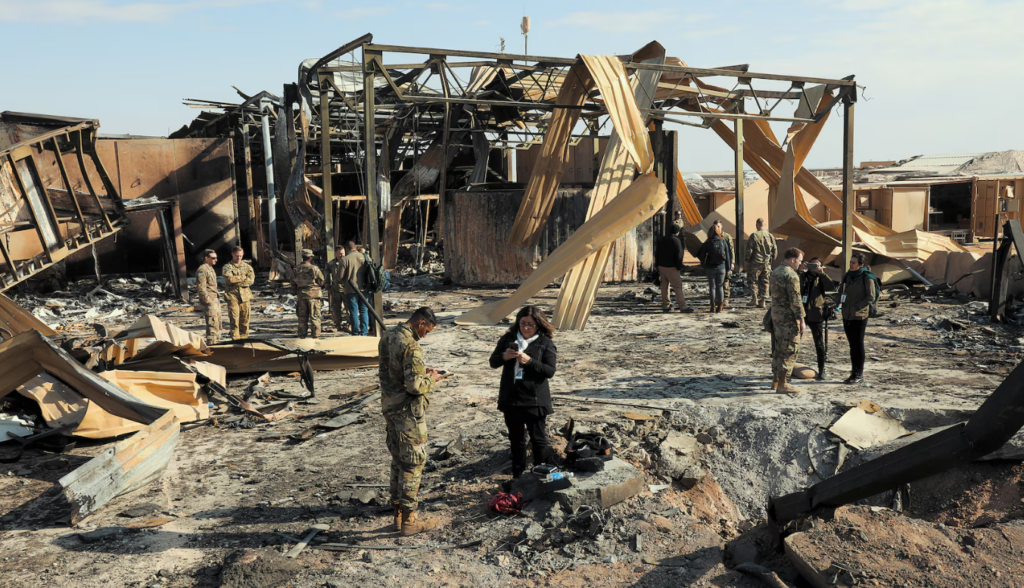
Iran did not respond impulsively. The strike was calibrated, deliberate, and tightly controlled. Iraqi authorities were warned in advance to minimise casualties, signalling that the objective was not mass death but psychological rupture. The message was precise: Iran could strike American assets directly, with accuracy and confidence, without losing command of escalation.
The missiles landed with extraordinary precision, inflicting significant structural damage on the base. While fatalities were avoided, the psychological impact was profound. In the weeks that followed, U.S. officials quietly acknowledged that dozens of American troops had suffered traumatic brain injuries, a revelation that contradicted initial attempts to downplay the strike’s severity. The effect was unmistakable. A taboo had been broken. American forces were no longer insulated from direct state retaliation in the region.
Iran’s response embodied the ethical and strategic framework it claims to uphold: retaliation without moral collapse, deterrence without annihilation, and force deployed as communication rather than catharsis. The strike demonstrated Iran’s capacity to impose cost while still preserving control – a balance that many militaries fail to achieve under far less pressure.
More importantly, the operation reframed deterrence itself. Rather than relying on ambiguity or proxy deniability, Iran acted openly, accepted responsibility, and then stopped. The restraint was the message. It signalled that Iran did not seek uncontrollable escalation, but neither would it accept impunity.
For allies and adversaries alike, Ayn al-Asad marked a psychological turning point. For resistance movements across the region, it confirmed that a state could confront American power directly without immediate annihilation. For U.S. planners, it exposed a strategic discomfort: conventional superiority offered no guarantee against calibrated retaliation grounded in resolve.
The significance of Ayn al-Asad lies not in the damage inflicted, but in the confidence it conveyed. Iran demonstrated that it could strike with force, absorb the consequences, and still dictate the terms of restraint. In doing so, it reinforced the central premise of its resistance doctrine: power is not only the ability to destroy, but the discipline to decide when not to.
Dismantling The “Proxy” Myth
The claim that Iran “exports” its revolution through proxy forces is one of the most durable narratives shaping Western and regional perceptions of Iran’s power. It is not a misunderstanding. It is a political instrument.
The proxy myth performs two functions at once: it strips local resistance movements of agency by recasting them as extensions of Tehran’s will, and it absolves occupying forces and authoritarian regimes of responsibility for the conditions that produced resistance in the first place. Occupation disappears, grievance becomes artificial, and revolt is no longer organic, but imported.
What this narrative protects is not analytical clarity, but hierarchy. If resistance can be reduced to foreign manipulation, then submission can continue to be framed as pragmatism rather than choice. The proxy myth preserves the illusion that domination is natural and defiance is aberrant.
Iran’s role disrupts this illusion. Not because it commands resistance movements, but because it articulates a political imagination in which dignity is not negotiable and endurance is not irrational. Alignment emerges not through coercion, but recognition – the recognition that resistance is possible without permission.
This is why Iran’s influence provokes anxiety disproportionate to its military reach. Weapons can be deterred and command structures can be targeted, but ideas that render submission visible as a choice are far harder to contain. They travel without supply lines and embed themselves in memory, language, and expectation.
The proxy myth exists to stop that contagion. It reassures power that unrest is foreign, not structural, and that obedience remains the rational default. Iran’s challenge lies precisely in refusing that reassurance.
What Iran represents, then, is not the imposition of revolution by force, but the exposure of a deeper truth: that submission is not neutral, and that once this is understood, control becomes far more difficult to maintain.
A Culture That Outlasts Bullets
Wars end. Frontlines shift. Guns jam. Bodies are buried. But the ethos that drives people to the battlefield – the reason they endure when collapse would be rational – doesn’t disappear with ceasefires or treaties. It lingers and settles into memory, ritual, and expectation. And it is there, long after hardware has rusted, that Iran has built its most lasting form of power.
Iran’s battlefield culture is not nostalgia for a revolution long past, nor a desperate improvisation for survival. It is a living doctrine that fuses faith with foresight, history with discipline, and sacrifice with moral accounting. In this culture, commanders do not merely lead; they teach. A battlefield is not only a front; it becomes a sermon. A funeral is not an ending, but an oath passed from the dead to the living.
This is why Iranian martyrs are not mourned with despair. They are remembered with gratitude. Their deaths are not framed as failures of strategy, but as confirmations of commitment. In a system where dignity is the measure of victory, even loss can carry meaning. Even defeat, if borne without surrender, can become a form of triumph.
This does not make Iran’s resistance ethic flawless. It has contradictions. Its allies have, at times, crossed ethical lines. Sectarian narratives have flared under pressure. There are real dangers in the romanticisation of sacrifice and in the political use of religious symbolism. These tensions are not imaginary, and they deserve scrutiny.
But even these critiques rest on an assumption that many modern armies have abandoned entirely: that war should still answer to a moral standard.
Iran, for better or worse, insists on that answerability.
In an era where war is increasingly waged by remote control – sanitised through euphemism, justified through abstractions, and abandoned once it becomes politically inconvenient – Iran’s determination to fight with body, belief, and consequence feels anomalous. It rejects the idea that violence can be clean, detached, or morally neutral. It demands presence, accountability and cost.
Western military doctrine, by contrast, increasingly treats war as management. Civilian deaths are reframed as collateral and occupation is renamed stabilisation. Soldiers return home burdened not only by trauma, but by the absence of meaning, unsure what they were sent to defend, or why sacrifice was demanded of them at all.
Iranian fighters are taught something different. They are taught that war is ugly and never romantic, yet sacred in the sense that it demands accountability rather than abandon. Victory stripped of dignity is hollow, and survival purchased through humiliation is not survival at all.
Whether one agrees with this worldview is not the point. Its coherence is. That coherence gives Iran’s resistance culture a quality its enemies struggle to neutralise. It cannot be bombed into submission, sanctioned into irrelevance, or assassinated out of existence. It reproduces itself through memory, ritual, and belief – through mothers who speak their sons’ names like scripture, through classrooms that narrate defiance as inheritance, through funerals that sound less like mourning than resolve.
Iran wages war through meaning. Its calculus is alien to Western strategic grammar. It asks not what was taken, but what was defended; not what survived, but what refused humiliation; not who prevailed, but to whom power remained answerable. This metaphysical accounting defies the logic of empire. It cannot be graphed, intercepted, or erased by force. It can only be felt, or feared.
And in this war of moral terrain, the Islamic Republic stands as an anomaly. Not simply for what it does, but for what it refuses to stop believing. Because in a century where most armies kill for profit, prestige, or policy, Iran fights for memory, for covenant, and above all, for God.
And belief, as every empire eventually learns, is harder to kill than any man.
References
- Hamdar, Abir. The Politics of Death in Contemporary Middle Eastern Literature: Martyrdom, Violence, and the Sacred. Saqi Books, 2014.
- Khomeini, Ruhollah. Sahifeh-ye Imam: The Collected Works of Imam Khomeini. Vol. 15. Institute for Compilation and Publication of Imam Khomeini’s Works, 1999.
- Shariati, Ali. Jihad and Shahadat: Struggle and Martyrdom in Islam. Translated and published by Islamic Publications International, 1986.
- Axworthy, Michael. Revolutionary Iran: A History of the Islamic Republic. Oxford University Press, 2013.
- Takeyh, Ray. Guardians of the Revolution: Iran and the World in the Age of the Ayatollahs. Oxford University Press, 2009.
- Nafisi, Azar. “The ‘Keys to Paradise’: Martyrdom and the Iran–Iraq War.” Middle East Report, no. 153 (July–August 1988).
- «شهید محمدحسین فهمیده», ویکی اهلالبیت (Ahlolbait Wiki)
Available at: https://wiki.ahlolbait.com/شهید_محمد_حسین_فهمیده - Fars News. “Veteran Accounts from the Sacred Defence.” Fars News Agency, March 21, 2020.
- Razoux, Pierre. The Iran-Iraq War. Harvard University Press, 2015.
- IQNA – “Martyrdom Is a Media, IRGC Quds Force Chief Says”, Brig. Gen. Esmail Qaani, Tehran (2024).
- Wikipedia – Foundation of Martyrs and Veterans Affairs (Bonyad Shahid) (2025).
- ResearchGate – The Martyr’s Way to Paradise: Shiite Mural Art in the Urban Context (posters/murals on martyrdom).
- MEMRI / Al Mayadeen – Speeches citing “We are all Qasem Soleimani” framing and cross-regional symbolism (2022–24).
- IRGC official doctrine, as cited in Al-Maaref Islamic Cultural Organization, “Rules of Engagement in Islamic Warfare”, 2020 (Arabic).
- Al Mayadeen, “IRGC General: We Forbid the Targeting of Noncombatants,” 2022.
- Fars News Agency, “Iran-Syria Joint Truce Enforcement Timeline,” 2021.
- Khamenei.ir, “Supreme Leader’s Fatwa Against Nuclear Weapons,” (2003, reaffirmed 2005, 2010).
- Khamenei.ir, “Prohibition on Retaliatory Civilian Targeting,” speech to IRGC commanders, 2017.
Sayyed Hassan Nasrallah’s speech, 2016 (Al-Manar TV). In response to Israeli threats, Nasrallah stated: “Israel has nuclear weapons and the strongest air force in the region. Yet it fears the resistance’s missiles. Why? Because every inch of the Zionist entity is a military zone. There are no civilians in Tel Aviv. They’re all soldiers, in uniform or in waiting.” Source (in Arabic): Al-Manar Archive – خطاب السيد حسن نصرالله 2016 (Use internal search or direct speech archives.)
- Press TV, “Iran’s Missile Response to Soleimani Killing: Military Bases Targeted Only,” January 2020.
- Al-Akhbar, “Dahiya Doctrine and Western Military Strategies,” Beirut, 2023.
- Al-Mustafa International University (Qom), translated module on Adab al-Harb and Nahj al-Balaghah military ethics.
- Al-Islam.org. Ziyarat Ashura, Mafatih al-Jinan (Sheikh Abbas Qummi); Ibrahim Amini, Self-Building: An Islamic Guide for Spiritual Journeying & God-Wariness; Leila Al-Khansa, “Tabarri and La’n in Shiʿa Theology,” Journal of Islamic Thought and Practice, Vol. 5, 2019; Wilferd Madelung, The Succession to Muhammad: A Study of the Early Caliphate, Cambridge University Press, 1997.
- “روایت سردار حاجیزاده از نحوه انتقام موشکی از پایگاه عینالاسد” [Commander Hajizadeh’s account of the missile retaliation on Ayn al-Asad base], Tasnim News, January 2020. https://www.tasnimnews.com/fa/news/1398/10/22/2179836.
- Al-Manar, “How Iran Fought ISIS Beyond the Frontline,” 2020.
- AhlulBayt News Agency (ABNA), “Iranian Scholars Condemn Suicide Bombings,” 2016.
- Fars News, “IRGC Investigates Rules-of-Engagement Violations by PMF Factions in Syria,” 2021.
- Al-Ahed News, “Ideological Training in the Basij: Faith Before Firearms,” 2020.
- Al Mayadeen, “Inside IRGC Training Modules,” 2022.
- Fars News Agency, “Curriculum of Resistance: What the IRGC Teaches Its Cadets,” 2021.
- Qudsna, “Palestine and Karbala in Revolutionary Iran’s Classroom,” 2019.
- Iranian Oral History Project, “Memory of the Coup: Teaching 1953 in IRGC Academies,” University of Tehran, 2018.
- Ali Shariati Institute, “Shariati’s Concept of Revolutionary Identity,” 2021.
- Imam Khomeini Research Institute, “Political Thought of the Imam: Formation of Armed Ideology,” 2020.
- Al-Manar, “IRGC Quds Force: Training for Global Resistance,” 2021.
- Martyr Foundation Archives, “Legacy of the Wasiyyah: Basij Letters from the Front,” Tehran, 2020.
- Tasnim News, “Voices of Martyrs: Letters and Testimonies,” 2022.
- «بررسی نقش مداحی در دوران دفاع مقدس و مداحان معاصر». پایگاه خبری دفاع مقدس. Accessed July 2025. https://defapress.ir/fa/news/413149 (English: “A Study on the Role of Maddāḥī during the Sacred Defense and Contemporary Maddāḥs.” Defa Press.)
- Press TV Documentary Division, “Resistance Through the Screen: Media Culture of the IRGC,” 2020.
- Al-Akhbar, “Cultural Frontlines: Iran’s Soft Power Within Axis of Resistance,” 2022.
- AhlulBayt News Agency (ABNA), “Ashura in Schools: Curricula of Resistance,” 2019.
- Al Mayadeen, “The Axis of Resistance: Identity, Ethos, and Expansion,” 2023.
- Al-Akhbar, “Iranian Influence Beyond Borders: The Export of Resistance,” 2022.
- Nasrallah, Hassan. Speech on the Unity of Resistance Movements, Al-Manar, 2019.
- Press TV, “Symbolism and Defiance: The Walls of Gaza,” 2021.
- Islamic Republic News Agency (IRNA), “Three Pillars of Resistance Doctrine,” 2023.
- Quds News Network, “On the Ground in Syria: How Iran’s Presence Shifted the War,” 2020.
- Al Mayadeen, “Echoes of Soleimani: Arab Tributes to a Commander,” 2021.
- Alwaght News, “Resistance, Not Proxy: How Regional Fighters View Iran,” 2022.
- Tasnim News Agency, “Coordinated Response to Israeli Strikes in 2023: A Timeline,” 2024.
- AhlulBayt News Agency (ABNA), “Qom Seminaries and Revolutionary Pedagogy,” 2019.
- Al-Manar, “Media and Martyrdom: Cultural Propagation in the Axis,” 2021. «مروری بر شبکههای تلویزیونی برونمرزی ایران». العالم. Accessed July 2025. https://www.alalamtv.net/news/4701231. (English: “Overview of Iran’s International TV Networks.” Al-Alam.)
- Al-Ahed News, “Iranian Training and the Psychology of Resistance,” 2022.
- Khamenei.ir, “Defiance Is Victory,” Address to IRGC Commanders, 2023.
- Al Mayadeen, “Battle for Maroun al-Ras: A Turning Point,” 2006.
- Nasr TV (Hezbollah), “Training and Topography: The Secrets Behind 2006,” 2019.
- Press TV, “How the South Held: Lessons from the 2006 War,” 2021.
- Al-Akhbar English, “Israeli Veterans Speak on Hezbollah’s Tactics,” 2017.
- Al-Manar, “Resistance Forces in Aleppo: Unity in the Face of NATO-Backed Militants,” 2016.
- AhlulBayt News Agency (ABNA), “Aleppo: Between Strategy and Theology,” 2018.
- Tasnim News Agency, “Protecting the Holy Shrines: The Syrian Front,” 2015.
- ABNA, “Martyr Profiles from the Syrian Campaign,” 2019.
- Islamic Revolution Documentation Center, “From Khorramshahr to Aleppo: Continuity of Resistance,” 2020.
- Quds News Network, “The Long Siege of Aleppo: Breaking the NATO-Axis,” 2017.
- IRNA, “Ballistic Retaliation: Ayn al-Asad Strike Timeline,” 2020.
- Mehr News Agency, “Ballistic Precision and Calculated Messaging,” 2020.
- Al-Alam, “Iraqi Government Was Warned Ahead of Strike,” 2020.
- Islamic Republic of Iran Broadcasting (IRIB), “TBI Cases Among U.S. Troops,” 2021.
- Press TV, “After Ayn al-Asad: Iran’s New Red Line,” 2020.
- Alwaght, “ISIS Commanders Avoid PMU Engagements,” 2019.
- Al Mayadeen, “Inside Hezbollah’s Radwan Unit,” 2022.
- Fars News, “U.S. Generals Admit Strategic Gap,” 2023.
- Foreign Affairs, “The Iran We Fear Most,” 2021 interview (reproduced via ABNA archives).
- Al-Akhbar English, “Framing the Enemy: How Western Media Distorts Iran’s Military,” 2020.
- Al Mayadeen, “Iran and the War on ISIS: A Misrepresented Record,” 2021.
- Alwaght, “Who Are Iran’s Allies? Proxy or Partner?,” 2019.
- ABNA, “Resistance Movements and Sovereignty,” 2021.
- Al-Manar, “PMF and the Defense of Iraq,” 2022.
- Quds News Network, “Ansarullah: National Liberation or Iranian Proxy?,” 2021.
- Sayyed Hassan Nasrallah, Speech Archive, 2015.
- Fars News, “Understanding Martyrdom vs. Suicide Terrorism,” 2020.
- Khamenei.ir, “The Meaning of Shahādah in Islamic Resistance,” 2023.
- Al-Alam, “Takfiri Logic and the Dehumanization of Civilians,” 2019.
- Tasnim News Agency, “IRGC Statements Against Suicide Bombings,” 2018.
- Mehr News, “Fatwas Forbidding Civilian Attacks,” 2020.
- Press TV, “The Media’s Flattening of Armed Resistance,” 2021.
- IRNA, “Exporting the Revolution: Myth or Reality?,” 2019.
- Islamic Republic of Iran Broadcasting (IRIB), “What the Revolution Offers—Not Forces,” 2022.
- Bahrain Mirror, “The Symbol of Karbala in Bahrain’s Streets,” 2017.
- Al-Masirah, “Yemen’s Resistance Language,” 2020.
- Palestine Chronicle, “Iranian Rhetoric in Palestinian Struggle,” 2022.
- Alwaght, “Why Gulf Monarchies Fear Iran’s Ideas,” 2020.
- AhlulBayt News Agency (ABNA), “Iran vs. Daesh: Military Contributions in Iraq and Syria,” 2020.
- Al Mayadeen, “From Amerli to Samarra: Iran’s Campaign Against ISIS,” 2018.
- Al-Ahed News, “The Soleimani Files: Strategic Defense of Iraq,” 2021.
- Press TV, “Yazidi Rescue Operations in Northern Iraq,” 2020.
- Al-Alam, “Why the West Refuses to Credit Iran’s Role Against ISIS,” 2021.
- Fars News, “When Resistance Is Criminalized, and Occupation Is Sanitized,” 2023.
No Comment! Be the first one.